


From Dream to Screen: Behind the Historic Anamorphic IMAX Lenses of Chapter 51
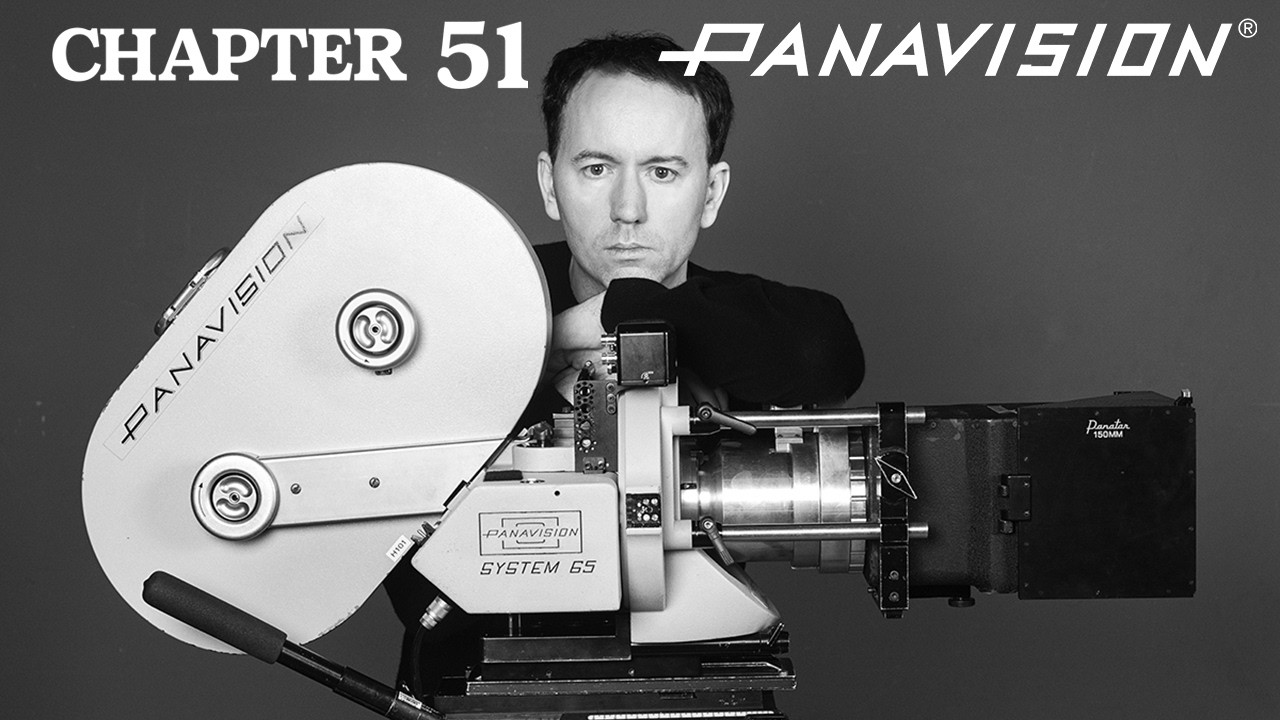
Shooting on celluloid carries an ethereal quality that digital sensors simply cannot replicate, but pairing traditional film stock with bespoke optics elevates visual storytelling to an entirely new realm.
In his ambitious film project Chapter 51, director and photographer Tyler Shields set out to realize a lifelong dream: capturing a narrative feature on motion picture film while pushing technical optics to their absolute limits.
Rather than relying on standard vintage glass, Shields collaborated directly with Panavision to craft custom optical solutions tailored specifically to his cinematic vision.
This partnership led to historic achievements, including the creation of a custom anamorphic IMAX format—marking the first time an anamorphic optic has ever been paired with an IMAX film camera.
Pioneering New Visual Formats
The technical ambition of the production extended beyond IMAX. The team developed "PanaVista," a new widescreen format born from custom anamorphic optics mated with VistaVision horizontal 35mm photography, drawing inspiration from classic Technorama processing.
To give each narrative sequence a distinct emotional resonance, the production utilized an expansive collection of camera systems, ranging from antique hand-cranked units to modern System 65, Panaflex XL2, and VistaVision camera bodies.
Collaborative Craftsmanship
Shields emphasizes that realizing such an uncompromising aesthetic requires working alongside optical engineers who treat camera engineering as an extension of the artistic process.
By matching unique scene requirements with purpose-built glass, the project demonstrates that regardless of scale, a filmmaker's vision relies fundamentally on choosing the right lens.
Key Takeaway: Choosing optics goes beyond matching sensor or frame sizes; custom lens modifications allow filmmakers to create distinct signatures, texture, and depth unattainable with off-the-shelf glass.
Video and images via Tyler Shields





0 comments:
Post a Comment