


Mastering the Optical Snoot and Projector Attachment
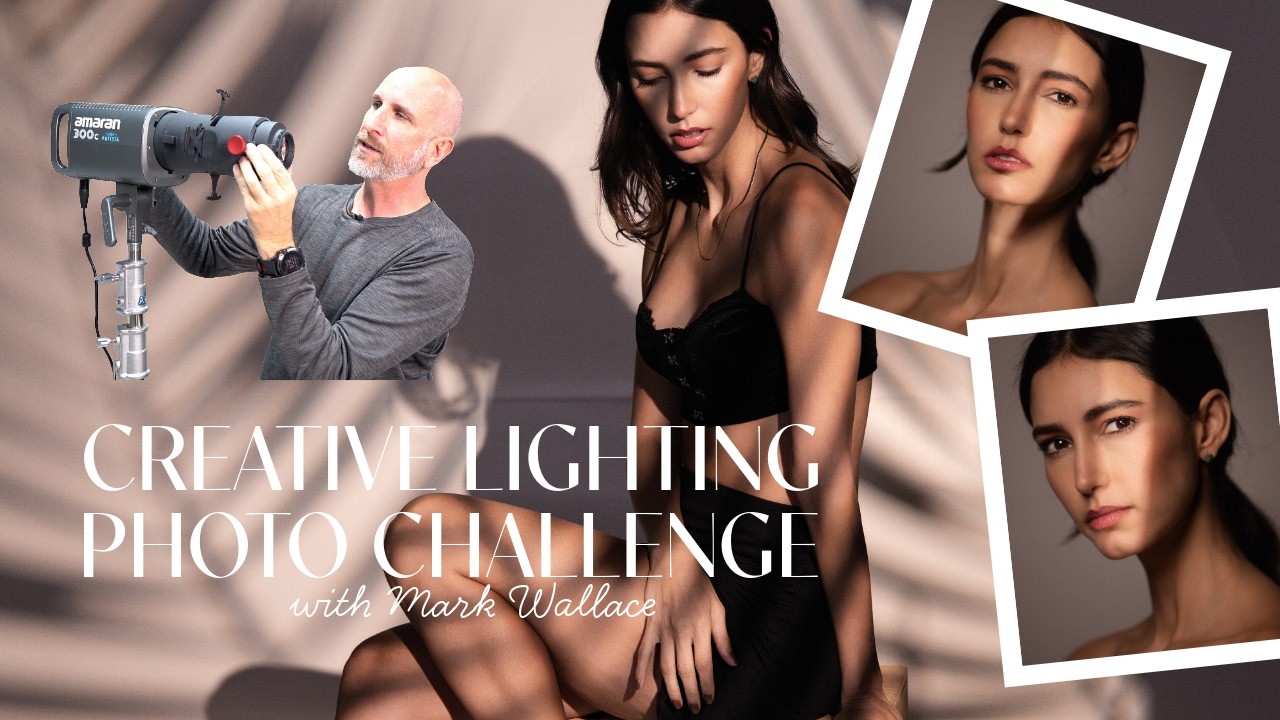
The projector attachment—or optical snoot—is one of the most surgical tools in studio photography.
Unlike softboxes that spread light broadly, it uses internal lenses to focus light into precise geometric shapes or soft, feathered gradients. The goal isn't just to add light; it's to deliberately exclude it.
Internal gobos (metal stencils) let you project complex textures—window blind slats, foliage patterns, abstract shapes—directly onto your subject.
When a key light is shaped this way, it transforms a plain backdrop into a layered, textured environment that integrates depth into the frame.
Ratios and Shadow Control
Keep your fill light from fighting the projector's crisp shadows. Set your key light one stop above fill — a 1:2 ratio — to preserve cinematic contrast without crushing blacks.
Optics and Aperture
Shooting wide open at f/1.2–f/1.4 softens projected textures as they fall away from the focal plane, creating a bokeh that contrasts beautifully with the snoot's sharp edges.
Pro Tips for Advanced Light Shaping:
• Inverted Shutters: The internal lens flips the image — moving the top shutter affects the bottom of your beam.• Soft Defocus: Slightly defocusing the snoot produces a more organic, natural shadow edge.
• One-Stop Rule: Use your meter's memory function to lock in a 1:2 key-to-fill ratio for consistent drama.
• V-Flat Subtraction: A black foam board on the shadow side prevents bounce light from softening your deep blacks.





0 comments:
Post a Comment