Master Any Lighting Setup With The Help Of set.a.light 3D

Showing posts with label workflow. Show all posts


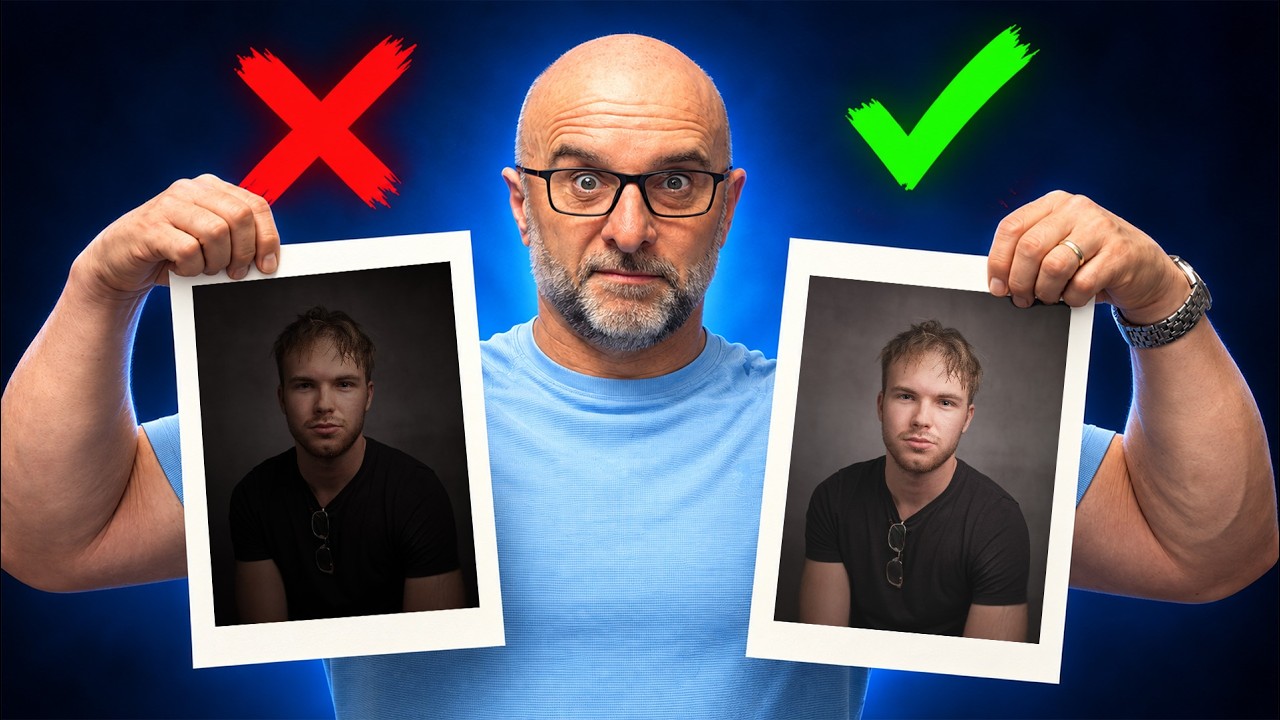
Few things in photography are more frustrating than spending hours editing an image until it looks flawless on screen, only to have the final print come out noticeably dark and muddy. The root cause of this discrepancy is simple: computer monitors are backlit light sources, while paper prints merely reflect the ambient illumination available in the room.

When a monitor is set too bright, it misleads the editor into prematurely darkening the exposure during post-processing.
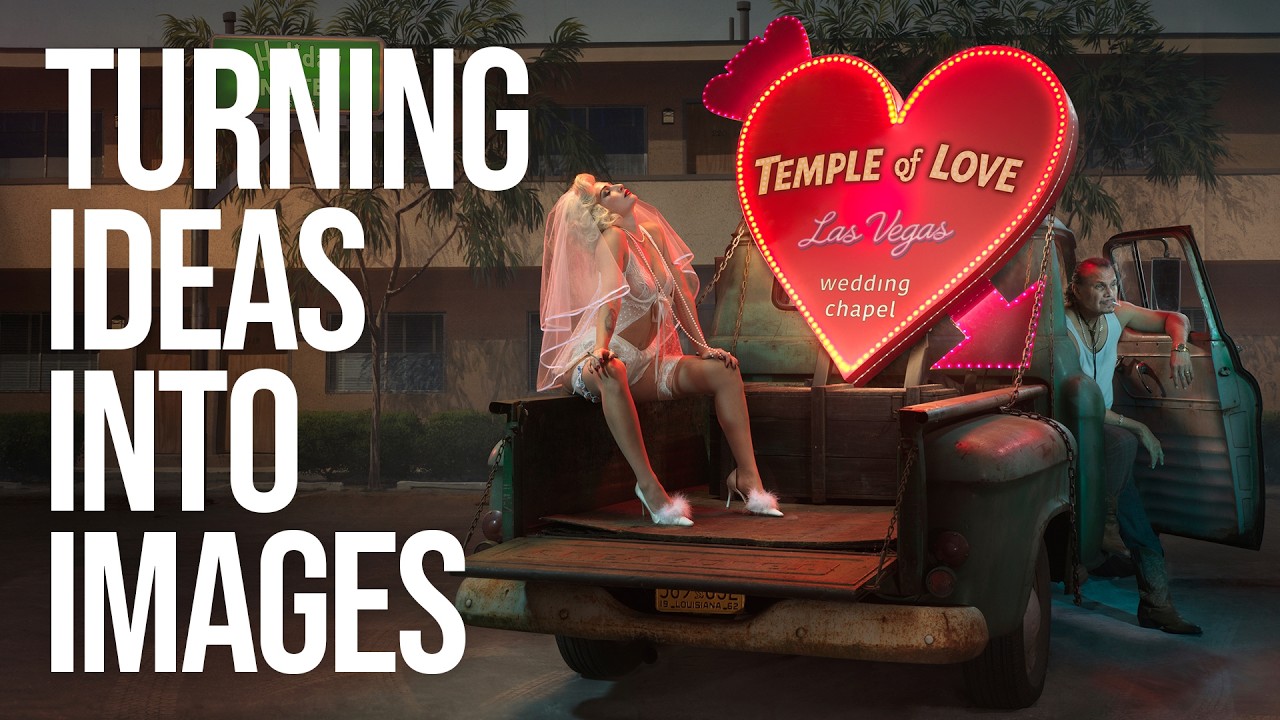
Getting inside the mind of another photographer can completely alter how we approach our own creative work. While looking at large-scale, cinematic productions with elaborate sets and massive lighting rigs might initially feel intimidating, every artist’s journey begins with simpler, smaller steps. What truly sets a remarkable image apart is not the size of the crew, but the imagination behind the frame. 

Fine art photographer Julia Fullerton-Batten transitioned from commercial work to crafting deeply personal, narrative-rich images that explore history, human connection, and surreal moments.


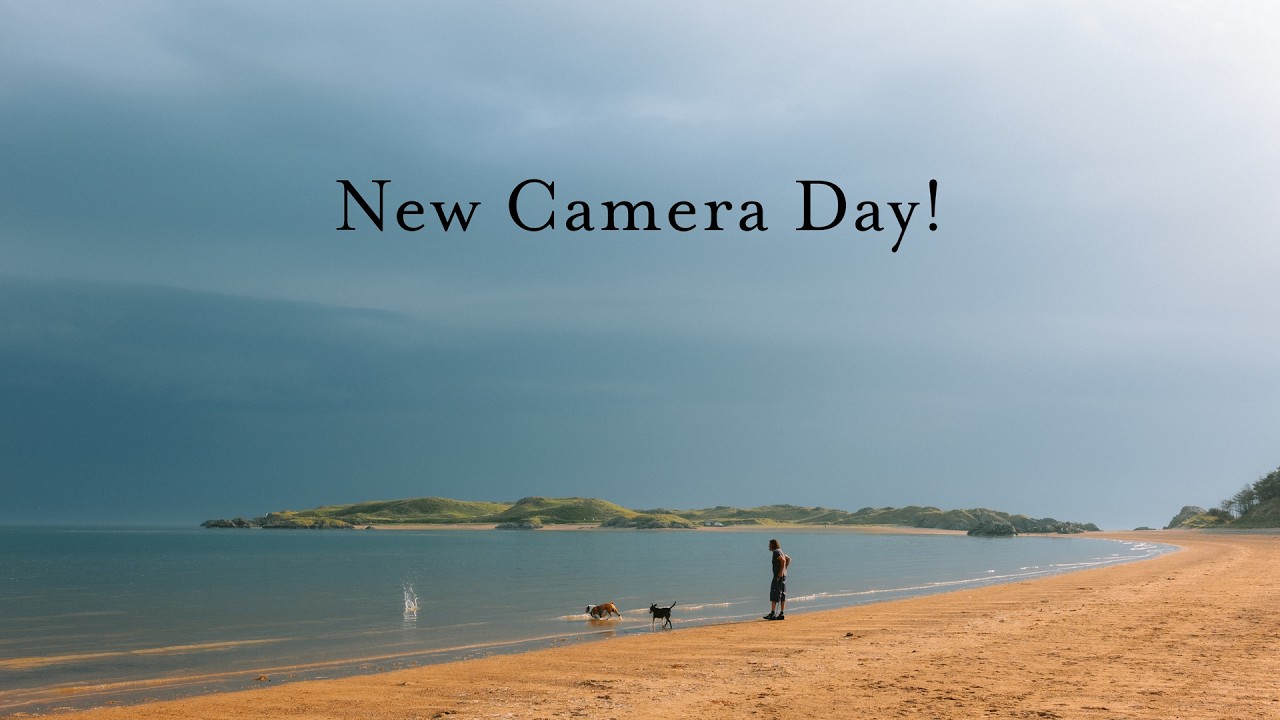
Beyond technical specs and high-end gear, the true reward of photography often lies in subtle, everyday experiences. Taking time to reflect on the quiet moments of the craft reveals how unexpected encounters on a walk, the satisfying chunk of a mechanical shutter, and the tactile feedback of a well-designed camera grip build an enduring connection to the process. 

These understated pleasures remind creators why they picked up a camera in the first place.


Learning to read light transforms every finished photograph into an educational roadmap. By carefully examining three key visual indicators—shadow transitions, catchlights, and secondary highlights—photographers can reverse-engineer complex studio setups and understand how specific modifiers shape an image. 

Analyzing the edge transfer of a shadow immediately reveals whether the primary source was hard or soft.


The mastery of photography is often measured by technical benchmarks like aperture control or lighting ratios, yet the most significant hurdle is frequently internal. Pre-shoot nerves—that familiar tightening in the chest—are not a symptom of inadequacy but a byproduct of professional integrity. 

When a photographer feels the weight of "imposter syndrome," it signals a profound commitment to the craft and the client’s vision.


The traditional wall between a cinema suite and a darkroom has finally collapsed. With the release of DaVinci Resolve 21, Blackmagic Design has transformed its industry-leading NLE into a formidable raw photo processor, introducing a dedicated Photo Page that leverages the software’s massive GPU acceleration for still images. 

This isn't a mere plugin; it is a high-performance environment designed to handle Canon RAW, Sony ARW, and iPhone DNG files with the same 32-bit float precision once reserved for Hollywood color grading.


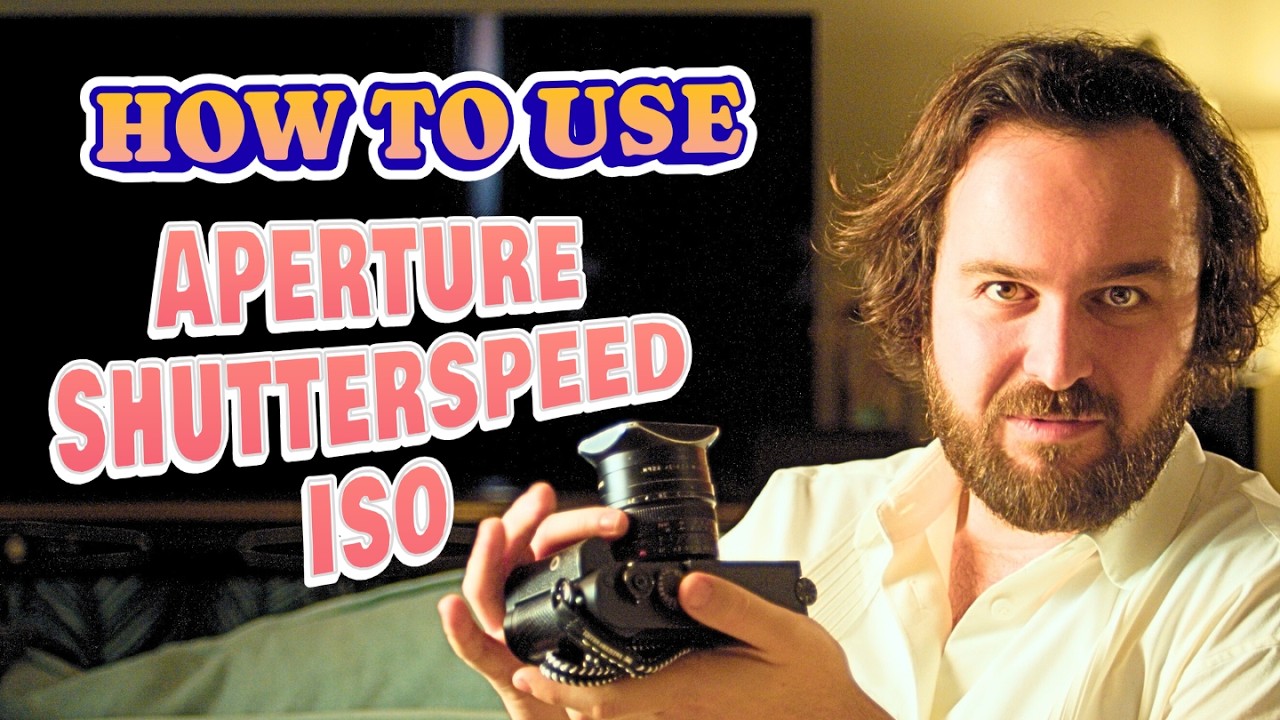
The exposure triangle—comprising aperture, shutter speed, and ISO—is the fundamental framework upon which every photographic exposure is built. While modern cameras offer various "priority" modes to assist the photographer, shutter priority (Tv or S) is frequently criticized by experts as a trap that strips away creative agency. 

The logic behind the mode is simple: the user selects a shutter speed to control motion, and the camera calculates the aperture. However, in practice, this handover of control often results in a compromise of the visual narrative.

Beyond Technical Perfection: Finding Your Artistic Voice in Photography
Photography Mindset  ·  B&H Photo Video

Beyond Technical
Perfection

Channel B&H Photo Video
Topic Artistic Voice
Genre Street & Documentary
Level All Levels
Verdict ★ Essential Watch

Every photographer begins in the same place: obsessed with settings, sharpness, and sensor performance. Then, somewhere along the journey, a shift happens. A technically flawless image sits in the folder and feels completely hollow — while a blurry, imperfect frame from years ago still stops you in your tracks. That moment is the beginning of finding your artistic voice.


The craft of photography is often described as the art of capturing light, yet the technical bridge between a creative vision and a finished frame relies on a precise understanding of the camera's internal mechanics. While modern sensors have become incredibly sophisticated, the fundamental principles of exposure—aperture, shutter speed, and ISO—remain the "Holy Trinity" that every practitioner must master to move beyond the limitations of automatic modes.


Many photographers rely too heavily on highlight warnings, often ending up with underexposed images and unnecessary loss of quality. The problem? “Blinkies” are based on a JPEG preview, not the full Raw data your sensor captures. Modern cameras are far more capable than these warnings suggest.


Capturing a photo is only the beginning. In a world of endless digital images, it’s easy to accumulate files without ever truly engaging with them. Moving from screen to print changes that dynamic, turning photography into a more intentional and meaningful practice.


Photographers often spend more time juggling logistics than they do holding a camera. We act as producers, lighting techs, and copywriters, leaving little mental energy for creativity. 

This video reveals how to reclaim that time by treating ChatGPT not as a search engine, but as a highly skilled studio assistant capable of streamlining everything from mood boards to production schedules.


Navigating the sheer volume of imagery we encounter daily can feel overwhelming. As we scroll through endless feeds of technically perfect photos, it’s easy to confuse popularity with greatness.

This video explains why true photographic greatness hasn’t disappeared—it’s simply hidden beneath the noise.


Visualizing a complex lighting setup before you even touch a light stand is a superpower for any photographer. Whether planning a commercial campaign or simply experimenting with new modifiers, virtual simulation tools have revolutionized pre-production. 

This review dives into the capabilities of set.a.light 3D V3, exploring how it streamlines workflow, saves physical energy, and helps master the art of studio lighting from a desktop.


Mastering the wide-angle perspective is a transformative step for any photographer looking to add narrative depth and energy to their work. 

By understanding how different focal lengths interact with the environment, one can move beyond simple snapshots and create immersive images that place the viewer directly within the scene.


Elevating a photograph from a casual shot to a captivating image requires mastering a few fundamental techniques that often trip up beginners. 

By focusing on subject separation, intentional framing, and smart lighting, any photographer can significantly enhance the quality of their work. 

This video condenses the key mistakes and provides a rapid-action guide to achieving professional-looking results.


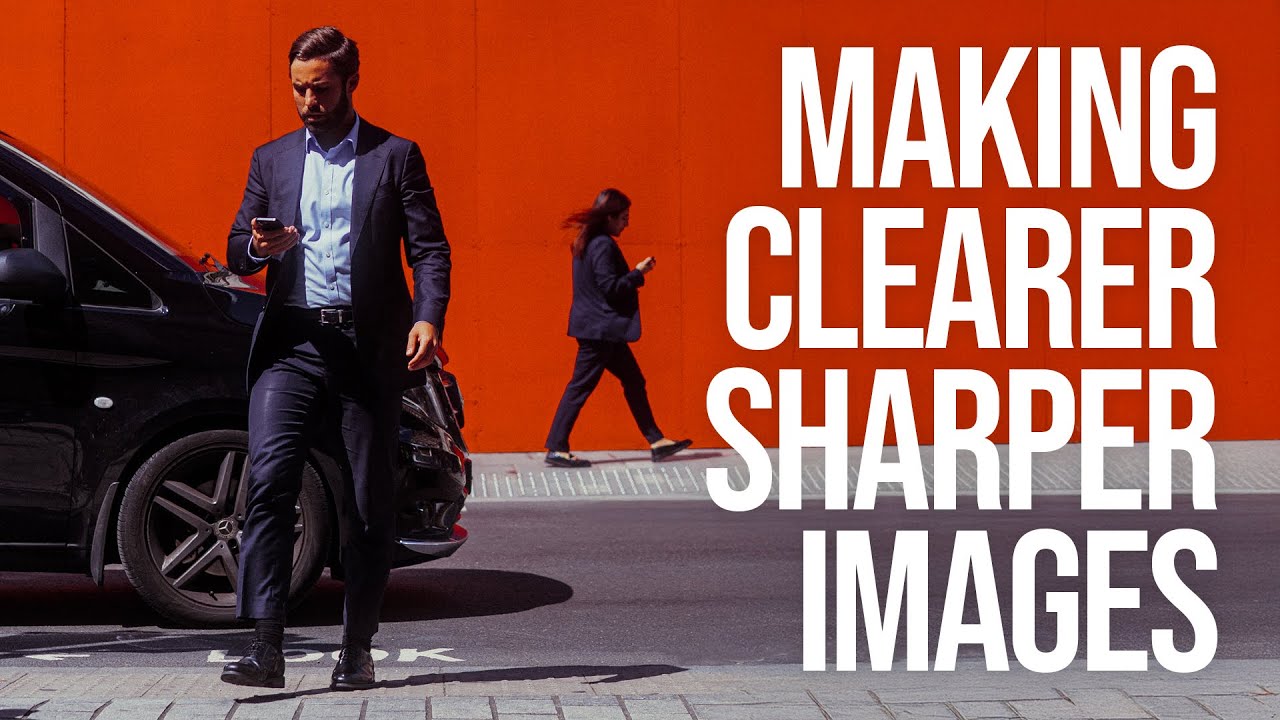
The pursuit of the perfect image often centers on a single question: How do I achieve genuine clarity and a razor-sharp look? It is a common mistake to rely solely on post-processing sliders. The real solution lies in a dual mastery: flawless in-camera technique and a deep understanding of how to harness the power of light to create compelling micro-contrast.


The convenience of Auto mode often traps new photographers in a cycle of technically mediocre images. Modern cameras are sophisticated, but they lack creative intent. They guess the exposure, often resulting in washed-out skies and missed focus—a frustrating result when striving for a meaningful photograph.


The true quest in photography is understanding what separates a mundane snapshot from a masterful work of art. The common belief is that value is found in technical perfection—perfect sharpness and flawless exposure. 

This is a myth. The most valuable, compelling photographs are those measured not in megapixels, but in meaning and the viewer's perception.


Many photographers find their images lack impact, even when the lighting and subject are technically perfect. The mistake is often simple: neglecting intentional composition. Composition is the framework that guides the viewer's eye and tells your story. Mastering a few key tools moves your work from snapshot to masterpiece.