11/04/2026
The boundary between proprietary hardware and open customization is beginning to blur in ways we haven't seen...
The boundary between proprietary hardware and open customization is beginning to blur in ways we haven't seen before. For years, digital cameras have operated as closed ecosystems, locked behind restrictive firmware updates and manufacturer limitations. Today, artificial intelligence is rewriting that dynamic entirely, allowing creators to inspect, patch, and fundamentally modify their camera's internal behavior.
8/14/2026
Capturing striking reflection photography does not require high-end studio space or exotic outdoor landscapes. With si...
Capturing striking reflection photography does not require high-end studio space or exotic outdoor landscapes. With simple household props like paddling pools, glass fish tanks, and mirrors, photographers can construct liquid canvas setups directly in their own living space.
Water acts as a dynamic modifier, creating fluid optical distortion, double reflections, and vivid light patterns.
8/02/2026
Dynamic subject illumination traditionally requires dedicated studio assistants, a luxury rarely available to solo...
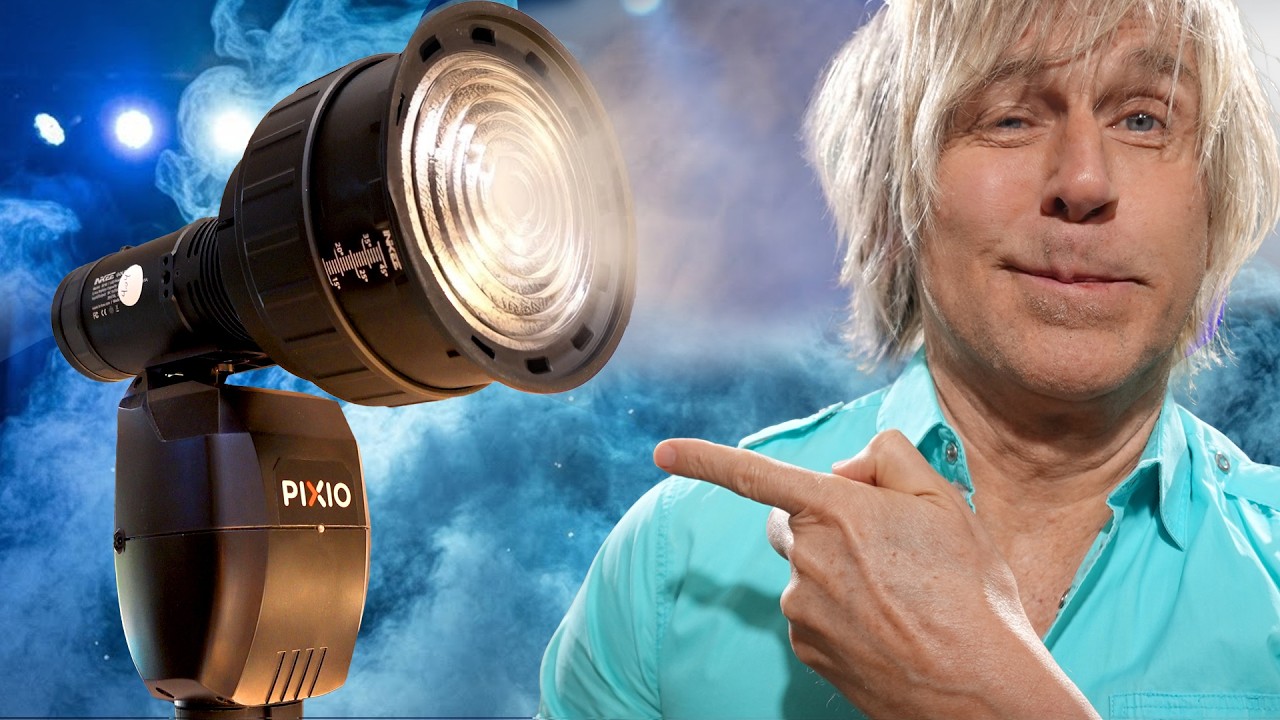
Dynamic subject illumination traditionally requires dedicated studio assistants, a luxury rarely available to solo creators. Automated tracking systems revolutionize this workflow by pairing compact, continuous lights with robotic gimbals.
Mounting a continuous source on a spatial tracking unit creates an intelligent, responsive key light that follows the talent seamlessly across any environment. This approach fundamentally alters the execution of precise lighting ratios on the move without necessitating manual intervention.
7/08/2026
Great photography gear doesn’t have to cost a fortune. In fact, one of the most versatile and indispensable tools in a...
Great photography gear doesn’t have to cost a fortune. In fact, one of the most versatile and indispensable tools in any professional arsenal takes up zero space in a camera bag and costs next to nothing: a simple sheet of black paper.
Combined with everyday items like rubber bands or adhesive putty, this modest material solves complex creative hurdles on the fly.
3/19/2026
The boundary between set design and photography often blurs when a vision requires more than what a standard...
The boundary between set design and photography often blurs when a vision requires more than what a standard studio backdrop can provide. Building a physical environment, such as a yellow triangle tunnel, represents a shift from capturing a scene to creating one.
This approach leverages the power of leading lines and aggressive color theory to funnel the viewer's attention toward the subject with architectural precision. By using simple materials like plywood and high-saturation yellow paint, the space becomes a sculptural element that defines the very structure of the light.
3/08/2026
Camera bags are often either expensive professional models or cheap alternatives with weak padding and poor divid...
Camera bags are often either expensive professional models or cheap alternatives with weak padding and poor dividers. For photographers carrying valuable lenses and camera bodies, neither option is ideal.
A simple and effective alternative is to convert a regular duffel bag into a custom camera bag using EVA foam inserts. With a bit of measuring and cutting, you can create a protective interior tailored exactly to your gear.
2/06/2026
Capturing the third dimension has long been a pursuit of visual storytellers, often requiring specialized eyewear or complex projection syst...
Capturing the third dimension has long been a pursuit of visual storytellers, often requiring specialized eyewear or complex projection systems. However, a fascinating technique exists that allows viewers to experience depth on a standard screen: the wigglegram.
While traditionally applied to still photography, bringing this stereoscopic effect to motion video presents a unique set of challenges and rewards. By understanding the mechanics of human vision and the geometry of light, one can transform a flat digital plane into an immersive, pulsating window of depth.
1/29/2026
Capturing the essence of light often leads us to explore the very foundations of how images are formed. Building a DIY camera obscura is pe...
Capturing the essence of light often leads us to explore the very foundations of how images are formed. Building a DIY camera obscura is perhaps the most immersive way to witness this phenomenon firsthand, turning an ordinary cardboard box into a living portal that projects the outside world right before your eyes.
This project reminds us that photography didn't start with sensors, but with curiosity and a simple hole in a box.
11/07/2025
Photographers face a perpetual challenge: choosing between light output and light quality. A traditional softbox delivers beautiful, soft li...
Photographers face a perpetual challenge: choosing between light output and light quality. A traditional softbox delivers beautiful, soft light but sacrifices up to three stops of power.
Conversely, a bare silver reflector maximizes power, but the resulting harsh, uncontrolled light is often unflattering.
This dilemma is acutely felt in outdoor flash photography where power is essential to compete with the sun. A clever modification, dubbed the Reflectofuser, offers a compelling, practical bridge between these two extremes.
10/28/2025
For the dedicated photographer, embracing off-camera flash (OCF) on location often means wrestling with bulky light stands, heavy modifier...
For the dedicated photographer, embracing off-camera flash (OCF) on location often means wrestling with bulky light stands, heavy modifiers, and the constant threat of wind.
The solo creator, especially, finds this a logistical nightmare, often leading them to abandon artificial light for the simpler path of natural light.
However, there is a transformative, high-value solution emerging to replace traditional supports: the DIY flash photography cart.
10/22/2025
The pursuit of truly exceptional portraiture often necessitates a departure from the controlled environment of the studio. When a photograp...
The pursuit of truly exceptional portraiture often necessitates a departure from the controlled environment of the studio.
When a photographer chooses a fluid, natural setting like an open lake, the process transforms into an act of resourceful engineering, demanding a seamless fusion of artistic vision and practical solutions.
This advanced level of on-location shooting requires a focus on meticulous photoshoot logistics to guarantee both a compelling image and, critically, the subject's well-being.
9/24/2025
Free your sit-stand desk from its power cord! This guide shows you how to transform it into a mobile, wireless workstation, perfect for any ...
Free your sit-stand desk from its power cord! This guide shows you how to transform it into a mobile, wireless workstation, perfect for any dynamic space.
6/24/2025
Ever marveled at those perfectly gloomy, rain-soaked scenes in movies and thought, "How do they do that?" Well, prepare to have yo...
Ever marveled at those perfectly gloomy, rain-soaked scenes in movies and thought, "How do they do that?" Well, prepare to have your mind blown, you can conjure up your own downpour for less than the cost of a decent takeout meal! In his insightful video, Brady spills the secrets to constructing a DIY rain machine for under $30.
1/07/2025
Photography is an ever-evolving art form, and one way to keep it fresh is through experimentation with new tools and techniques. In this vid...
Photography is an ever-evolving art form, and one way to keep it fresh is through experimentation with new tools and techniques. In this video, Jesse DeYoung explores how to use a DIY reflective photography setup. Try this triple mirror technique.
12/29/2024
Ring lights are often perceived as the go-to solution for achieving soft, glamorous lighting in photography and videography. They are wide...
Ring lights are often perceived as the go-to solution for achieving soft, glamorous lighting in photography and videography. They are widely used in makeup tutorials and other content creation. However, their small size and design can lead to less-than-flattering results. In this video, MarkusPix will explore why standard ring lights fail to deliver and what you can do to achieve better lighting effects.
10/25/2024
Creating a high-speed camera slider on a limited budget is a challenge that combines creativity, technical skills, and problem-solving. This...
Creating a high-speed camera slider on a limited budget is a challenge that combines creativity, technical skills, and problem-solving. This video explores the approach taken by Henry Kidman in building a DIY version of the high-end "
Glambot" camera slider seen on celebrity red carpets. Unlike the costly professional equipment, this project focuses on replicating similar results using accessible materials and innovative solutions.
10/14/2024
Every photographer knows the importance of a good backdrop, but purchasing high-quality backdrops can be quite expensive. In this DIY projec...
Every photographer knows the importance of a good backdrop, but purchasing high-quality
backdrops can be quite expensive. In this DIY project, Dawid Rymar will walk you through the steps to create your own professional-looking backdrop at home, saving you a significant amount of money while still getting great results.
10/02/2024
A photography posing box, also known as a photo cube, is an essential tool in any professional studio. It’s used for creative portraiture an...
A photography posing box, also known as a photo cube, is an essential tool in any professional studio. It’s used for creative portraiture and product photography by providing different posing angles and levels for models or objects. While you can buy posing boxes commercially, creating one yourself is a cost-effective and fulfilling project. Dawid Rymar outlines the step-by-step process of building your own photography posing box, ensuring durability, functionality, and a professional finish.
9/28/2024
In this video, you’ll learn how to create a DIY light dome for under 50 Euros, ideal for content creators who want professional-quality li...
In this video, you’ll learn how to create a DIY light dome for under 50 Euros, ideal for content creators who want professional-quality lighting without the hefty price tag.
9/24/2024
High-end cameras often dominate the conversation. However, this $30 children’s camera proves that even the simplest tools can create magic. ...
High-end cameras often dominate the conversation. However, this $30 children’s camera proves that even the simplest tools can create magic. Despite being designed for kids, this camera has a feature that stands out—it can print photos. Here’s why this affordable, fun camera is worth exploring for anyone interested in photography.









SOCIAL MEDIA