Master Any Lighting Setup With The Help Of set.a.light 3D

Showing posts with label equipment. Show all posts


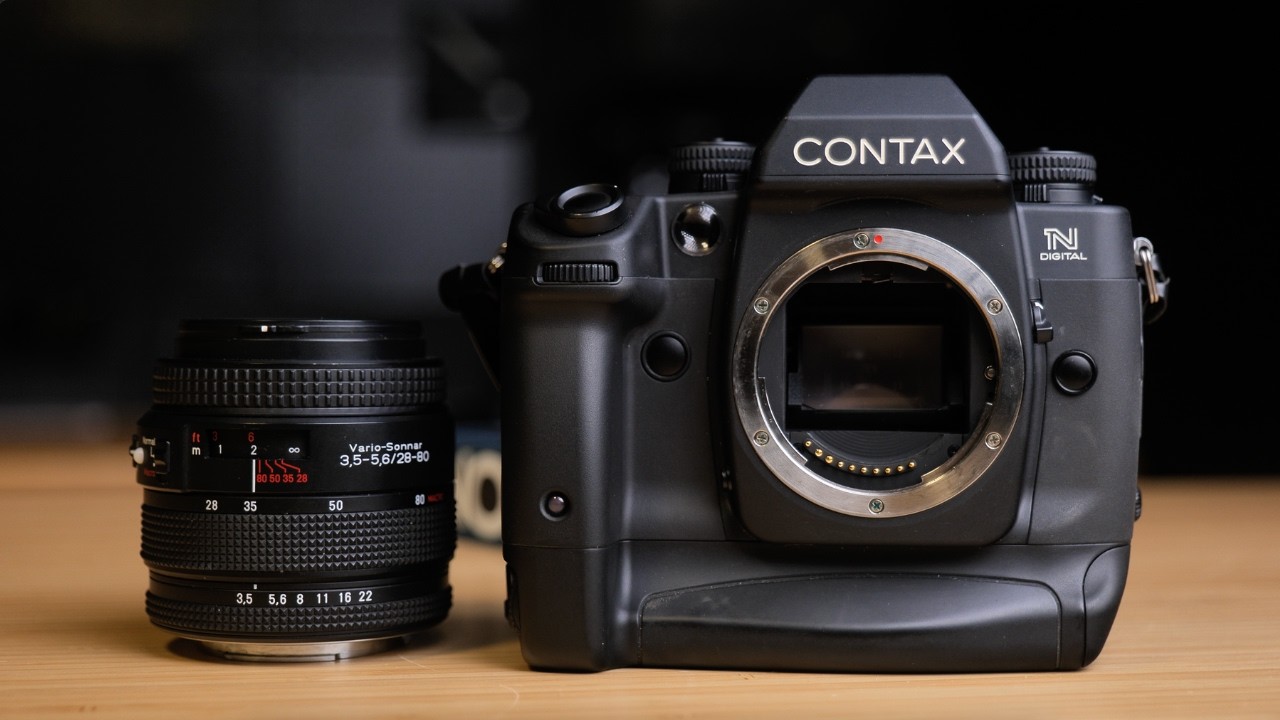
In 2002, Contax released the N Digital—the world's very first full-frame DSLR. Packing a 6-megapixel Philips CCD sensor into a heavy body with a hefty $7,000 price tag, this ambitious camera promised full-frame magic well before Canon and Nikon dominated the market. 

However, severe component failures and fierce competition quickly turned it into one of the biggest commercial flops in digital photography history.
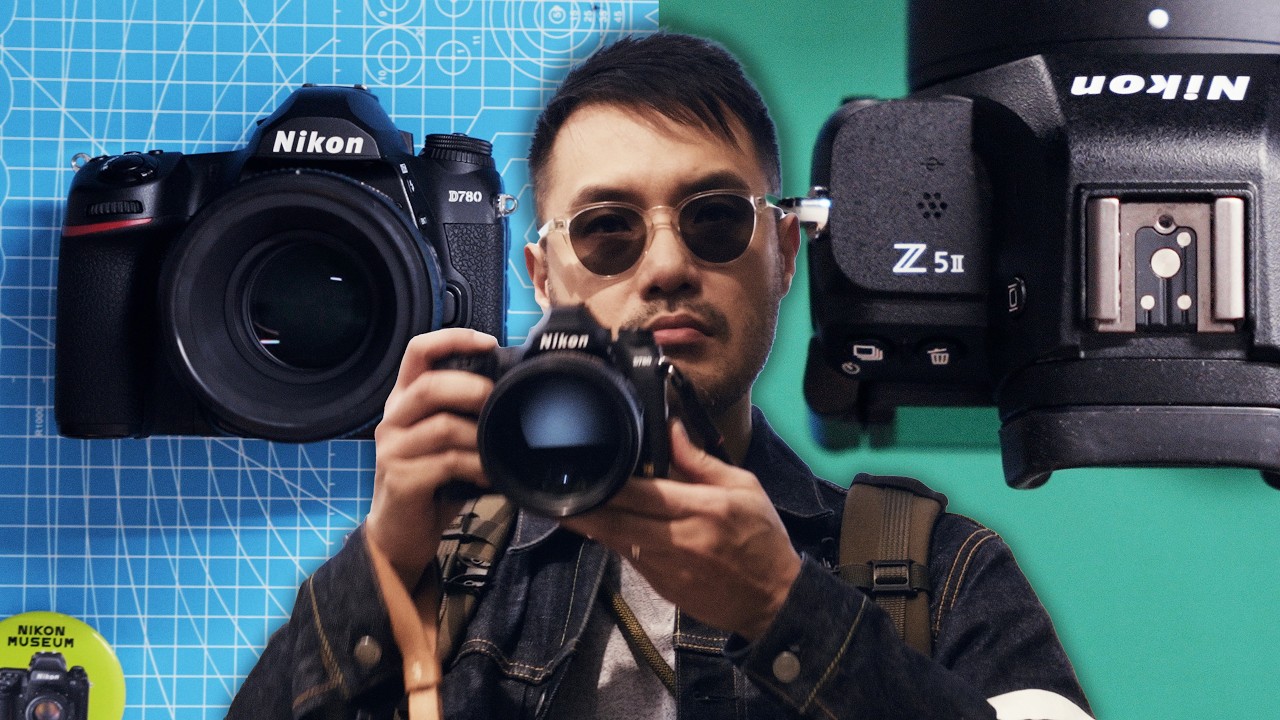
In an era dominated by modern mirrorless developments, Nikon’s D780 stands as a quiet reminder of DSLR mechanics. Larger, heavier, and often more expensive than entry-level mirrorless options like the Z52, the D780 presents a unique puzzle for creators deciding between established optical viewfinders and digital features. 

The primary appeal of the last DSLR lies in its seamless access to classic F-mount glass.


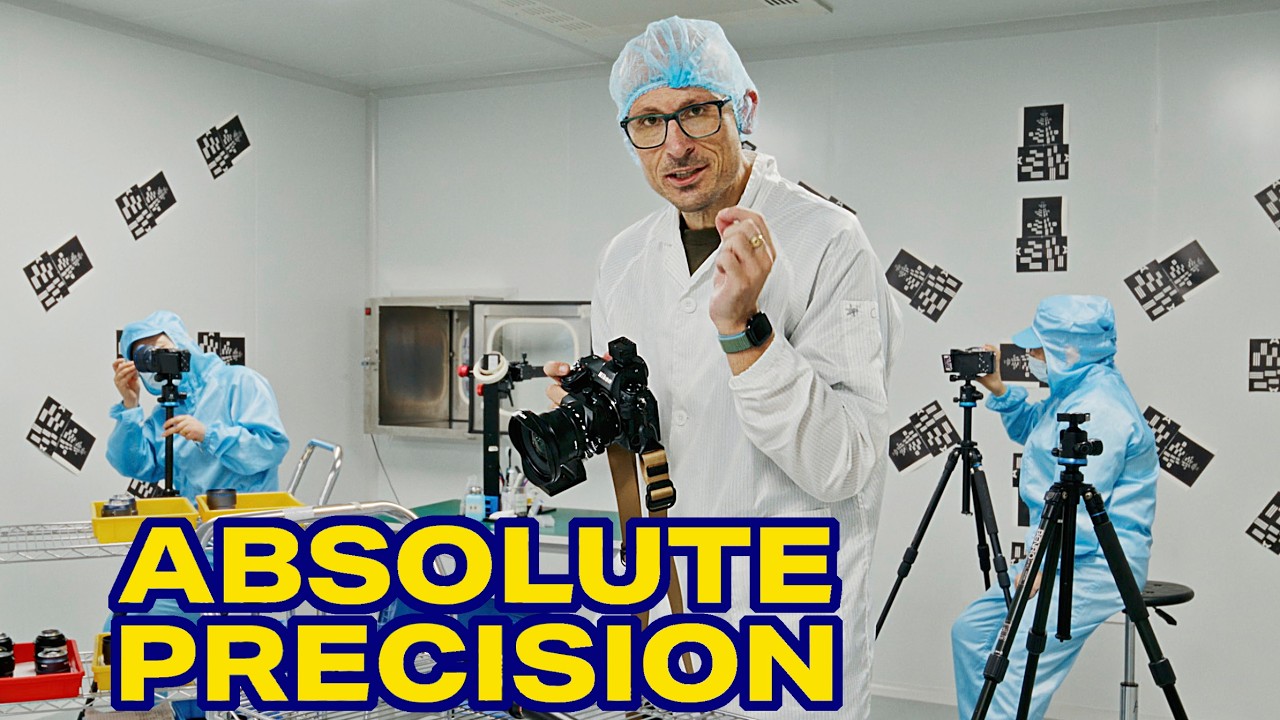
Photographer Matt Granger travels to Hefei, China, for an exclusive behind-the-scenes look at the headquarters and manufacturing facility of Laowa (Venus Optics). Known for developing unconventional glass that fills unique market gaps, the brand blends scientific precision with remarkable handcrafting. 

The journey contrasts the quiet, controlled environment of optical cleanrooms with the vibrant energy of local street markets and ancient villages.


The choice of a reflector in studio portraiture is a surgical decision that fundamentally alters the spectral quality and intensity of the fill light. While a key light establishes the primary structure and mood, the reflector serves as an essential tool for managing lighting ratios, determining exactly how much detail is preserved within the shadows.


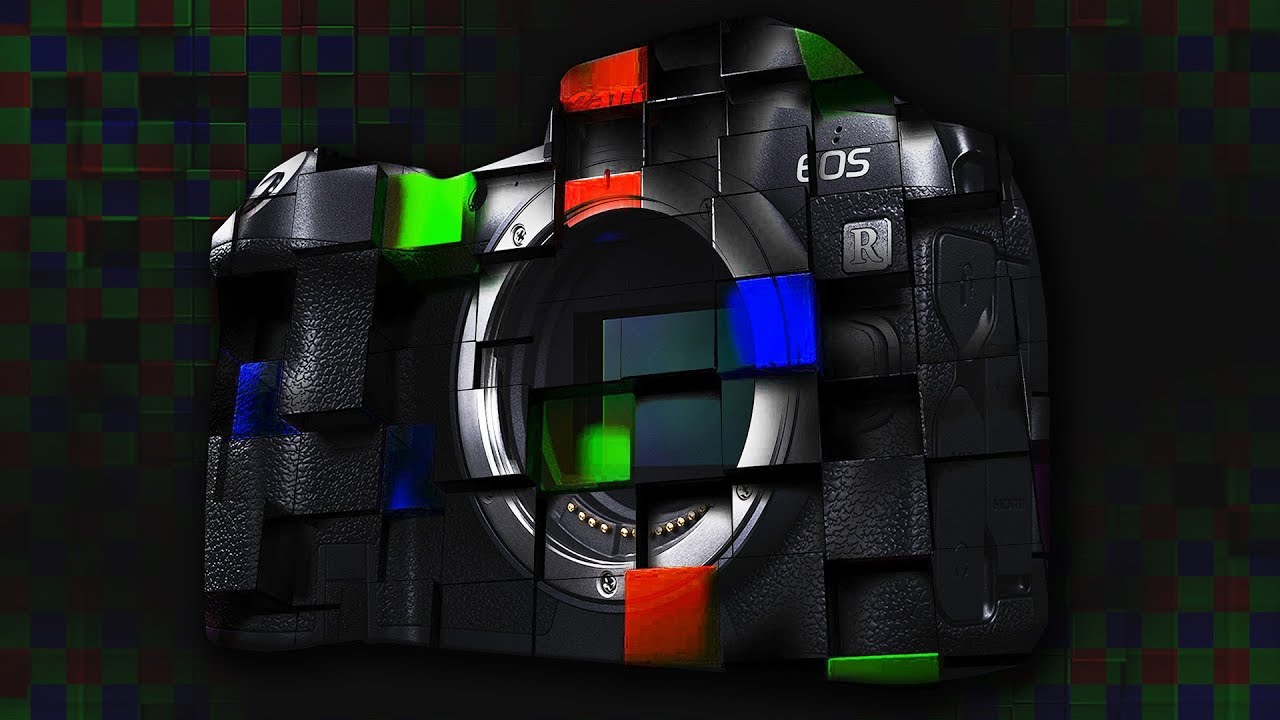
"Color science" is the most abused term in modern photography, often serving as a marketing smoke-screen for brand loyalty. In reality, the quest for "perfect color" is a paradox: the most mathematically accurate sensors are frequently dismissed as clinical, while the most beloved "looks" are the result of intentional, calculated distortions.


ISO is one of the most misunderstood concepts in digital photography — commonly described as sensor "sensitivity," it is in reality nothing more than an electronic amplifier boosting the voltage signal your sensor has already collected. 


The Clash of Medium Format Giants

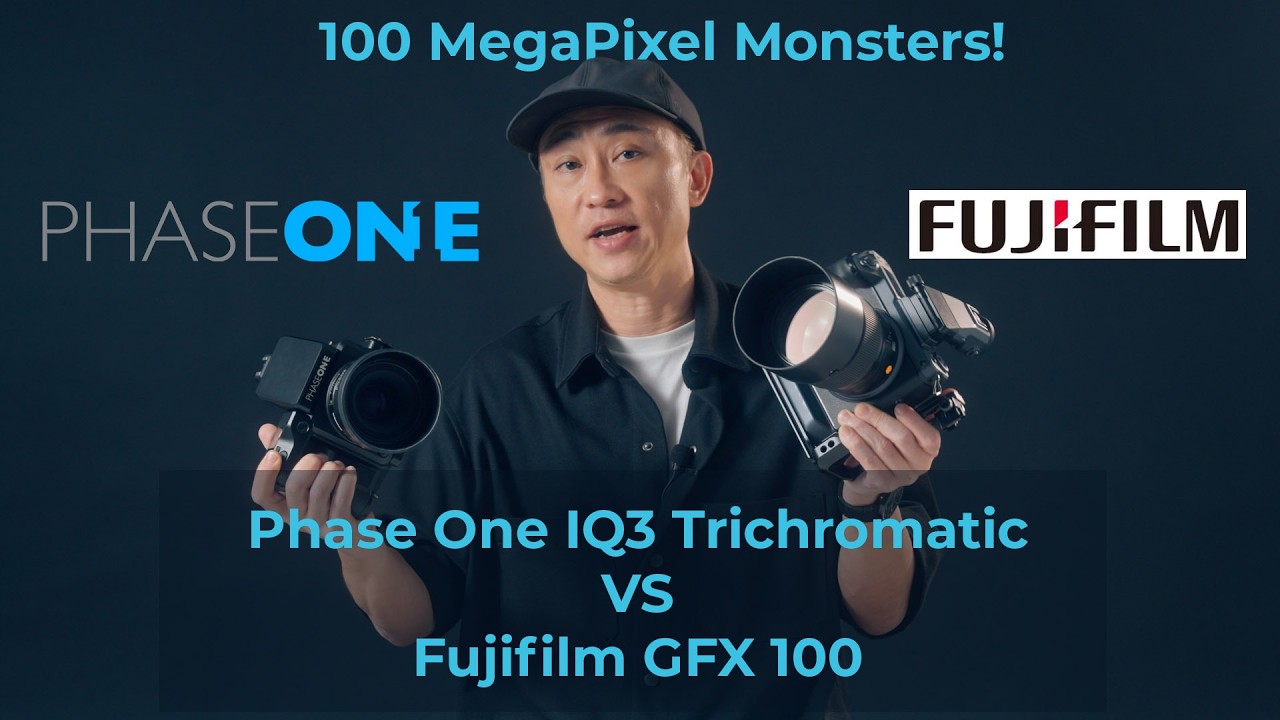
In the specialized arena of high-resolution digital imaging, the 100-megapixel threshold represents a pinnacle of detail and professional capability. Two systems often dominate this conversation: the Phase One IQ3 Trichromatic and the Fujifilm GFX 100

While both share a similar pixel count, they are fundamentally different machines designed for distinct photographic workflows. The Phase One, originally launched as a premium benchmark, emphasizes color accuracy and sensor size, while the Fujifilm GFX 100 represents a modern shift toward versatility and accessibility.

What is the Best Lens For Portrait Photography
Portrait Photography  ·  Lens Guide

What is the Best Lens
for Portrait Photography?

Instructor Newcastle Photography College
Level Beginner – Intermediate
Topic Focal Length & Bokeh
Verdict ★ Essential Watch

It’s the question every portrait photographer asks sooner or later: which lens should I actually use? The answer is less straightforward than it seems. Focal length shapes not just how wide or tight a frame looks — it fundamentally changes how your subject’s face appears, how the background melts away, and how much space you need between yourself and the person you’re photographing. Newcastle Photography College breaks it all down.


Determining the true value of a camera system often involves looking beyond the price tag and analyzing how specific features translate to image quality. Whether utilizing a smartphone or a medium format beast, understanding the relationship between sensor size, lens choice, and technical capabilities is essential for any photographer looking to elevate their craft. 

This analysis explores what is gained—and sometimes lost—at various price points.


The raw, high-contrast aesthetic of a vintage photo booth is instantly recognizable. From the 1920s Photomatons to the booths famously featured in Amélie, these machines produce a look that digital filters often fail to capture authentically. 

The secret lies not just in the chemical paper, but in a specific set of optical choices hidden behind the glass. This post breaks down the lens engineering of these analog machines and how to replicate that nostalgic style today.


There is a precise moment every photographer chases, one that has nothing to do with shutter speeds or megapixels. It is the sensation of flow—when the device in your hands ceases to be an object and becomes an extension of your vision.

This state of creative merging is rare, but as discussed in this insightful analysis of the Fujifilm XE5, finding the right tool can make it accessible. 

This piece explores how design, tactility, and color science converge to remove the friction between the eye and the image.


The entry-level camera landscape has fundamentally shifted, and Fujifilm's XT30 III is a prime example of this evolution. Far from a basic starting tool, this compact mirrorless body packs a suite of advanced features, inheriting the powerful X-Processor 5 from its flagship siblings. 

The result is a highly capable, portable camera that redefines what a sub-$1000 APS-C camera can achieve in both stills and video, making it a compelling option for enthusiasts and travelers.


The choice between the Fujifilm GFX100RF and the X100VI is a masterclass in compromise: trading the absolute pinnacle of resolution for supreme portability and cost-efficiency. 

This comparison pits the 102-megapixel medium format sensor of the GFX against the 40-megapixel APS-C sensor of the X100VI, forcing photographers to weigh the value of technical perfection against creative freedom in a compact body. 

The primary difference lies not just in detail but in the crucial control over image aesthetics, particularly background blur, known as bokeh.


Choosing the right glass can elevate a portrait from a simple photograph to a piece of art. The lens is, after all, the eye of your camera, and for portraiture, the decision often comes down to two titans of the industry: the fast 85mm prime and the versatile 70-200mm zoom. 

While both are considered exceptional portrait lenses, their mechanics and resulting image qualities offer distinct advantages that every photographer must weigh before making a choice.


Every photographer has experienced the frustration of capturing a stunning outdoor scene only to find the sky completely blown out. This common pitfall in high-contrast situations—where bright highlights clash with deep shadows—often makes the difference between a keepers and a discarded file. 

The solution isn't always complex blending or HDR; sometimes, it’s a single, often-ignored setting buried deep in your camera’s menu: Highlight Weighted Metering.


The Hasselblad X2D 100C Mark II is not just an update; it’s a statement. This latest medium format camera from Hasselblad represents a significant leap forward in a category often defined by deliberate, slow-paced shooting. With a focus on refining performance and pushing technological boundaries, the X2D Mark II delivers a powerful blend of classic craftsmanship and modern innovation.


The invention of the rangefinder stands as a pivotal moment in photographic history. This remarkable device transformed the act of photography, shifting it from a slow, deliberate process to a more spontaneous, intuitive craft. By providing a reliable method for precise focusing, the rangefinder paved the way for the candid and immediate "snapshot photography" we cherish today.
 
Peter Karbe - Senior Managing Expert Optics and Platform at Leica Camera explains the evolution of the unique focusing system: The Rangefinder. 

 
Neutral Density (ND) filters are a staple for any serious photographer or videographer. Think of them as sunglasses for your camera, designed to reduce the amount of light hitting your sensor. While fixed ND filters offer a single level of light reduction, the variable ND filter provides unmatched flexibility, letting you dial in the perfect exposure with a simple twist.

This video will quickly break down why a variable ND filter is a game-changer, what to look for when buying one, and the top recommendations from a comprehensive hands-on test.


For years, a piece of advice has been passed down among photographers: always turn off your in-body image stabilization (IBIS) when your camera is mounted on a tripod. The reasoning seemed sound enough. 
 
The IBIS system, designed to counteract micro-movements from handheld shooting, might "hunt" for nonexistent shake when perfectly still, potentially introducing its own vibrations and leading to softer images. 
 
This has become a widely accepted truth, but is it actually true? One photographer, Mark Denney, decided to put this long-standing myth to the test with some surprising results. His findings might change the way you approach shooting with a tripod forever.


Image and video via Mark Denney


Protecting your valuable photography gear from theft is a non-negotiable part of being a photographer. The excitement of a shoot can quickly be ruined if your equipment is lost or stolen. This video provides essential tips to help you safeguard your camera gear, so you can focus on creating incredible images with peace of mind.