


How NASA Uses Masterful Lighting to Transform Astronauts into Icons
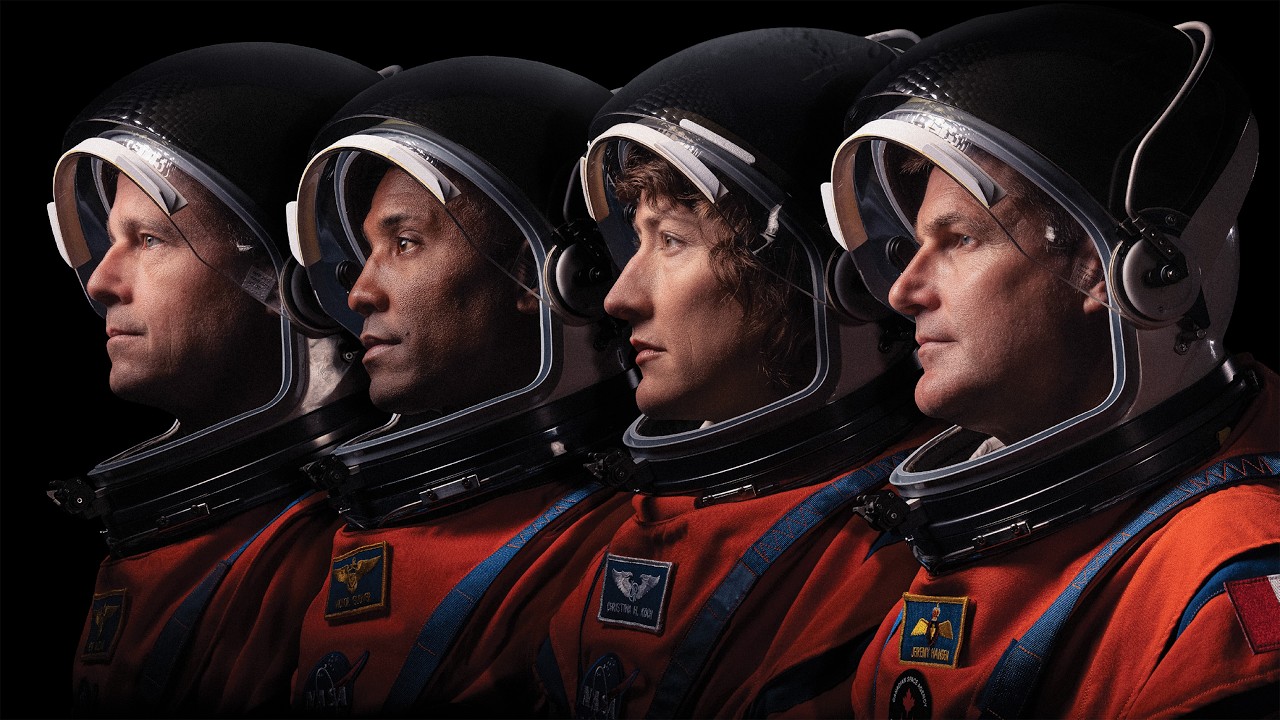
The shift from the flat, accidental light of a standard press briefing to the intentional, dramatic lighting of these portraits marks the difference between a simple record and a cinematic masterpiece.

To achieve this "movie poster" aesthetic, the setup utilized a sophisticated array of industrial lighting. For the group shots, the technical foundation relied on heavy-duty Speedotron units combined with a large square softbox as the primary source.
This was augmented by a lateral fill light to manage shadow density and a background dish equipped with barn doors to create separation, ensuring the subjects didn't merge into the dark void of the backdrop.
In the individual portraits, the technique shifts toward high-precision detail. Utilizing a high-resolution sensor stopped down to f/11, the photographer ensured that every element—from the texture of the orange pressure suits to the national flag patches—remained needle-sharp.
Technical Precision: Rembrandt Patterns and f/11 Depth
In the individual portraits, the technique shifts toward high-precision detail. Utilizing a high-resolution sensor stopped down to f/11, the photographer ensured that every element—from the texture of the orange pressure suits to the national flag patches—remained needle-sharp.

The lighting pattern employed here is the classic Rembrandt lighting, identifiable by the characteristic triangle of light on the shadowed cheek.

This setup was further refined with a hair light controlled by a snoot, creating a rim of light that evokes the harsh, reflective surface of the lunar environment. By controlling the lighting ratios and using gritted softboxes to prevent light spill, the photographer focused the viewer's eye exactly where it needed to be.
The Emotional Impact of Contrast
The emotional weight of these images is no accident. These techniques prove that dramatic lighting does more than just improve an image; it elevates the subject, revealing a sense of purpose and sacrifice that flat lighting could never communicate. Even with basic gear, the principles of key light placement and shadow control can replicate this heroic essence.
Focus on the Mission: Documenting NASA’s Artemis Era ast
Beyond the controlled environment of the studio, documenting the Artemis era requires a mastery of "aim small, miss small"—a military-derived philosophy where focusing on the minute details ensures that even a partial success lands near the mark of excellence.
Pro Tips for Cinematic Portraits:
• Control the Spill: Use grids on your softboxes to ensure light only hits the subject and doesn't wash out your background.• The "Moon" Rim: Position a small, hard light source (like a snooted flash) behind the subject to create a sharp rim that mimics planetary reflections.
• Focus on Texture: Shooting at higher f-stops (f/8 to f/11) is essential when capturing intricate details like flight suits or technical patches.
• Analyze the Catchlights: Study the reflections in the subjects' eyes or visors to reverse-engineer the size and shape of the modifiers used.




0 comments:
Post a Comment