


Stop Ruining Your Wildlife Shots: How to Master Shutter Speed Across Four Key Zones
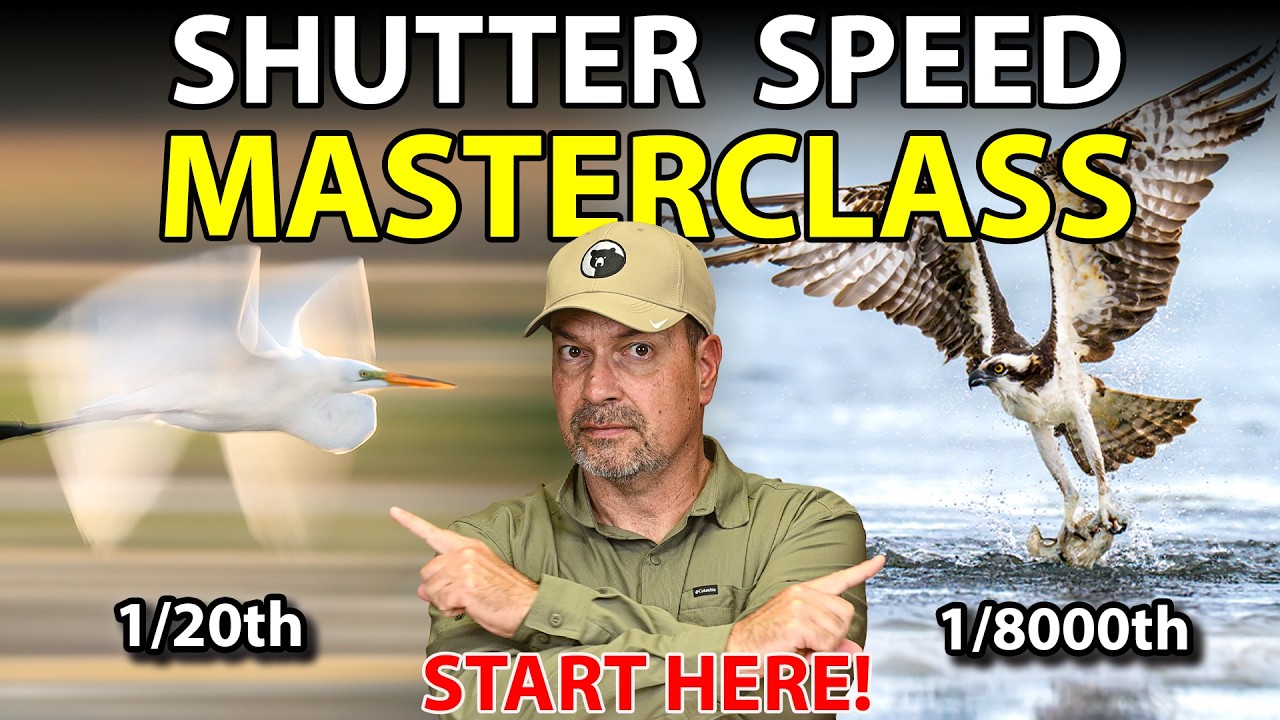
Selecting the ideal shutter speed in wildlife photography is never a set-it-and-forget-it decision; it directly dictates sharpness, emotional intent, and digital noise. Photographers routinely lock in excessively high speeds for stationary subjects, unnecessarily driving ISO into extreme territories, or shoot far too slowly during sudden bursts of action.
Categorizing scenarios into distinct action zones ensures optimal exposure and sharp results across every field encounter.
When motion is the goal—such as slow-panning birds in flight or streaking rain—dropping down between 1/20s and 1/320s conveys dynamic energy.
Conversely, stationary animals perched in low light allow for conservative speeds near 1/30s or 1/125s on sturdy support, keeping ISO clean and preserving delicate detail.
Everyday Action and Fast Movement
For general field work—such as walking mammals, drinking wildlife, or chewing behavior—shutter speeds between 1/1000s and 1/1600s provide a reliable baseline. Fast-moving subjects, including large birds taking off or galloping mammals, demand 1/2000s to 1/3200s to completely freeze motion.
Factor in subject distance: closer animals cross the frame faster relative to the sensor, requiring significantly higher speeds to lock in crisp details.
Explosive Motion and the ISO Compromise
Freezing explosive behavior—like fighting predators or small birds launching into flight—requires pushing speeds to 1/4000s or faster. When ample light permits, always favor shutter speed to maximize keeper rates.
While lower shutter speeds help keep ISO manageable in dim conditions, remember that noise reduction tools can fix a grainy image, but no software can salvage a motion-blurred frame.
Practical Studio Advice: Always prioritize a sharp, noisy photo over a blurry, clean one—noise can be managed in post, but motion blur is permanent. When shooting still subjects in low light on a tripod, drop your shutter speed to keep ISO low and use a self-timer or gentle shutter press to avoid camera shake. If light allows and your ISO remains low, get greedy with shutter speed to guarantee crisp details.
Video and images via Steve Perry | Here's the link to the PDF mentioned in the video. backcountrygallery.com/wildlife-shutter-speed-youre-using-the-wrong-one





0 comments:
Post a Comment