


$2,000 vs $10,000 Camera: Can You Actually Spot the Difference?
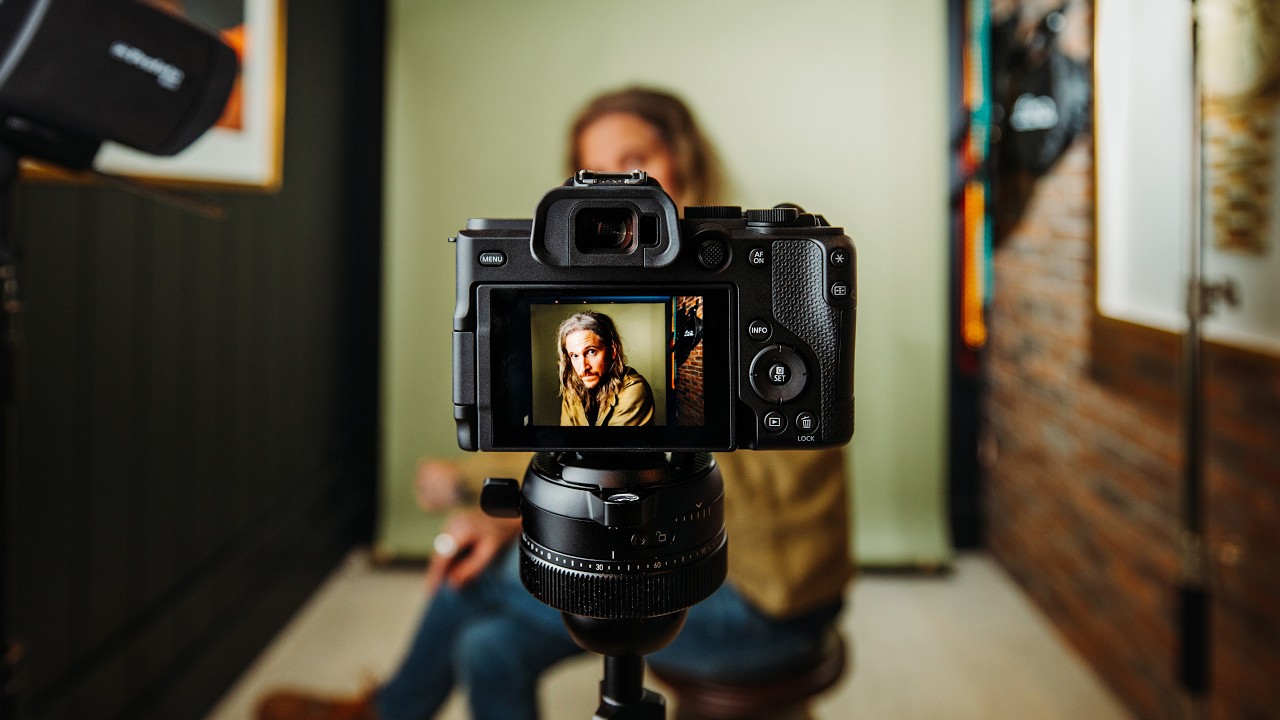
When gear prices skyrocket, creators inevitably face the ultimate question: does a $10,000 rig actually deliver five times better image quality than a dependable $2,000 setup? Peter McKinnon puts that exact dilemma to the test, stacking a high-end cinema monster against a budget-friendly hybrid setup.
Side-by-side side comparisons reveal how slight differences in color depth, dynamic range, and resolution translate to real-world visual impact.
While cinema gear offers unmatched ergonomics, robust codecs, and incredible latitude in post-production, high-end consumer cameras consistently punch far above their weight class.
The blind test highlights how lighting, lens selection, and color grading often flatten the perceived gap between affordable setups and expensive production tools.
Dynamic Range, Resolution, and Workflow
Investing five figures in a camera system doesn't automatically fix poor lighting or weak composition. What higher price tags buy are specialized tools: extended highlight recovery, raw cinema workflows, and tactile body designs built for heavy set usage.
However, for content creators outputting to compressed web formats and social media, a well-lit shot captured on a $2,000 body can easily hold its own against dedicated cinema setups.
Diminishing Returns on High-End Gear
The line dividing professional-grade cinema cameras and prosumer mirrorless bodies grows thinner every generation. While dynamic range and color science improvements are genuine, they hit steep law of diminishing returns once uploaded online.
Skillful lighting control and sharp glass remain the truest equalizers, enabling mid-tier cameras to produce stunning visuals that challenge top-tier cinema gear.
Takeaway Advice: Focus your budget where it makes the biggest visible impact. Mastering fundamental lighting techniques and investing in quality glass will upgrade your visual style faster than replacing an already capable camera body with an expensive cinema rig.
Video and images via Peter McKinnon





0 comments:
Post a Comment