8/02/2026
The best thing about making a photo book is that the moment you finish one, you immediately start the next. Exactly 3,...
The best thing about making a photo book is that the moment you finish one, you immediately start the next. Exactly 3,528 days after releasing Provocateur, fine art photographer and director Tyler Shields breaks down the relentless creative journey behind crafting his massive 600-page monograph.
Returning to the still frame after directing feature films on IMAX and VistaVision formats, Shields reflects on how cinema deepened his connection to image-making.
8/01/2026
How far should your subject be from the background? The short answer is: it depends! In his latest tutorial for Adoram...
How far should your subject be from the background? The short answer is: it depends! In his latest tutorial for Adorama, Gavin Hoey breaks down how altering subject-to-background distance completely transforms your studio images without changing your key light configuration.
Working in a compact studio space, Gavin demonstrates three distinct setups that yield dramatically different visual results.
7/31/2026
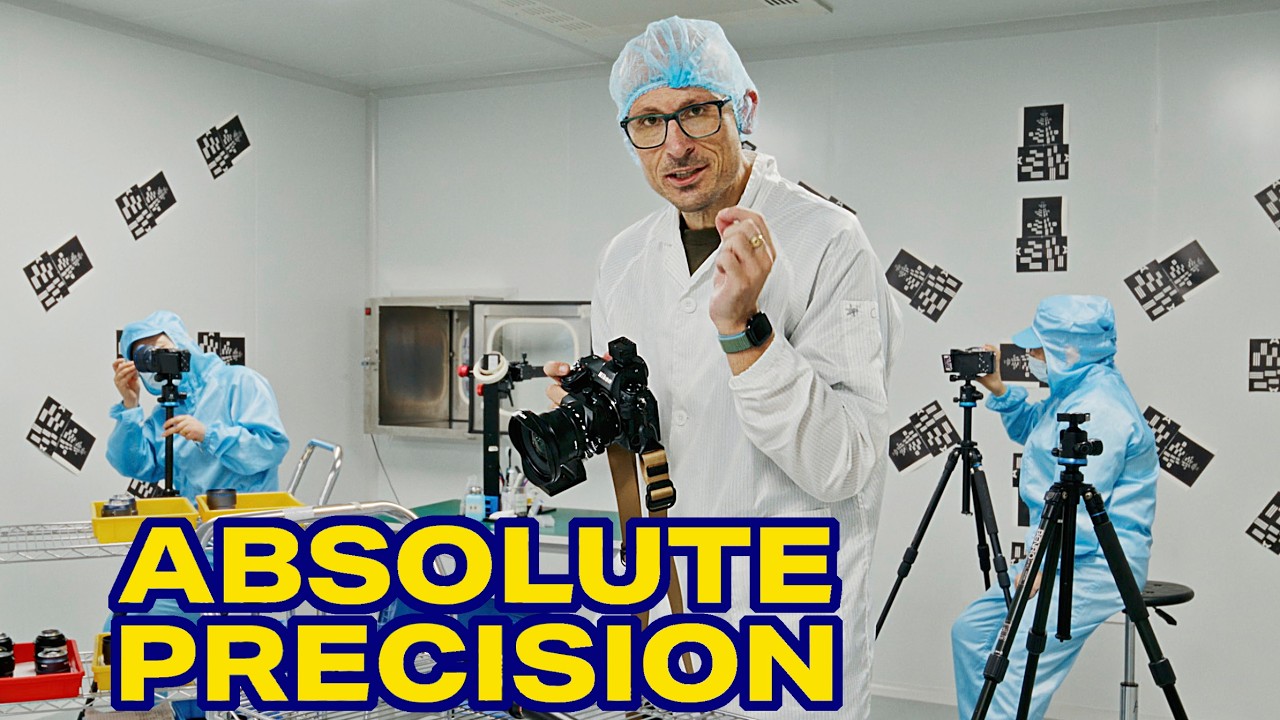
Photographer Matt Granger travels to Hefei, China, for an exclusive behind-the-scenes look at the headquarters and man...
Photographer Matt Granger travels to Hefei, China, for an exclusive behind-the-scenes look at the headquarters and manufacturing facility of Laowa (Venus Optics). Known for developing unconventional glass that fills unique market gaps, the brand blends scientific precision with remarkable handcrafting.
The journey contrasts the quiet, controlled environment of optical cleanrooms with the vibrant energy of local street markets and ancient villages.
7/31/2026
Every technical choice on set is fundamentally a creative one. In his latest hands-on breakdown, Ryan Connolly takes ...
Every technical choice on set is fundamentally a creative one. In his latest hands-on breakdown,
Ryan Connolly takes a single, minimal dialogue scene and demonstrates how your camera settings and coverage directly dictate the emotional weight of your story.
Testing the compact Canon EOS C50, he explores the practical power of shooting in 7K Open Gate.
7/30/2026
In the discipline of professional portraiture, technical precision and creative vision must converge perfectly,...
In the discipline of professional portraiture, technical precision and creative vision must converge perfectly, regardless of the subject's current status. Every session demands a mastery of the craft—from selecting the optimal aperture to controlling the depth of field—because the individual in front of the lens today might become a global icon tomorrow.
A prime illustration of this philosophy is the journey of WWE Superstar Trick Williams, whose monumental rise shares a direct link with an ordinary collegiate athletic photoshoot conducted a decade ago.
7/29/2026
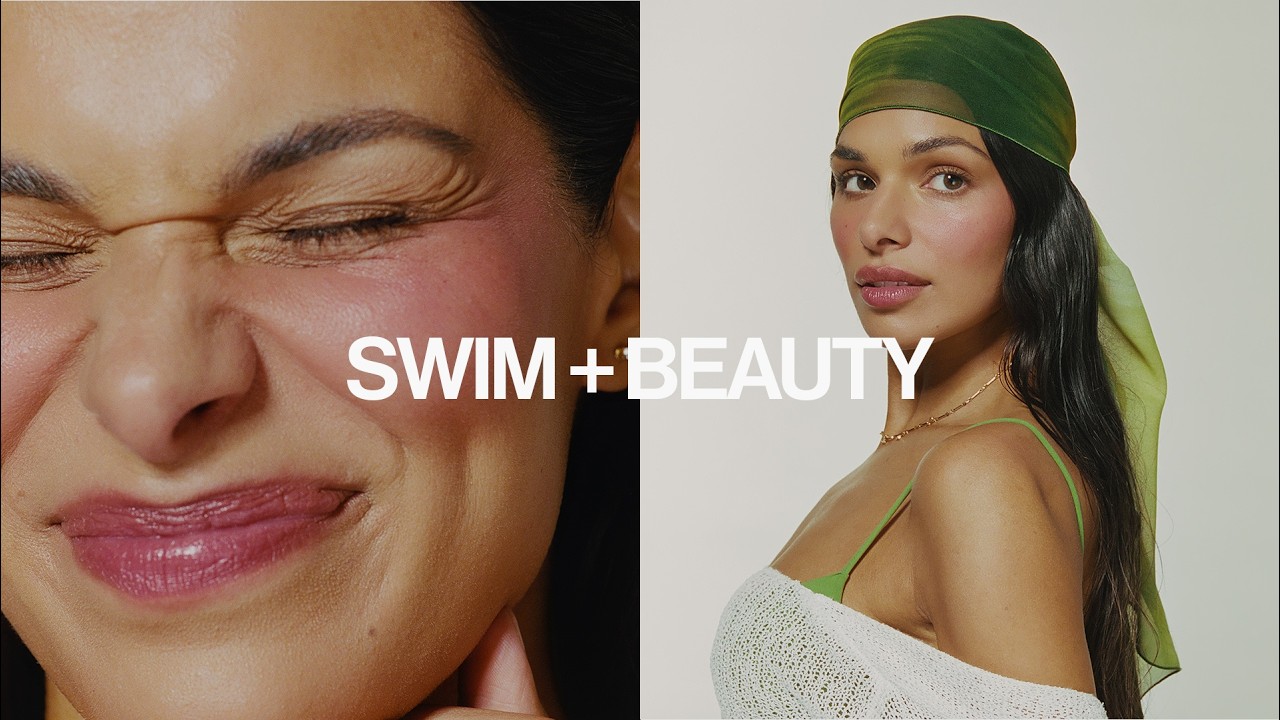
Mastering the balance between hard illumination and subtle shadows is the cornerstone of compelling beauty an...
Mastering the balance between hard illumination and subtle shadows is the cornerstone of compelling beauty and swimwear editorials. Capturing rich skin tones on film requires an exacting approach to lighting ratios and an uncompromising vision.
When executing a sun-drenched aesthetic in the studio, the primary objective is to mimic natural radiance while maintaining structural depth.
A point-source key light—whether a bare bulb or a beauty dish—establishes the narrative, carving out specular highlights and setting a pronounced directional flow.
However, the true complexity of studio portraiture lies in managing the shadows. A 30-inch octabox pushed through a diffusion scrim serves as the ideal fill light, softly lifting the darker regions without overpowering the established mood.
7/28/2026
The evolution of ultra-compact cinema tools has reached a critical juncture with the integration of 1-inch se...
The evolution of ultra-compact cinema tools has reached a critical juncture with the integration of 1-inch sensors into pocket-sized form factors. The arrival of the Osmo Pocket 4P, Insta360 Luna Ultra, and GoPro Mission 1 Pro challenges traditional expectations of dynamic range and depth of field in highly portable devices.
7/27/2026
The white seamless paper backdrop stands as arguably the most versatile modifier within a commercial studio s...
The white seamless paper backdrop stands as arguably the most versatile modifier within a commercial studio space. While novice image-makers view a white background as a static element, precise control over lighting ratios and the inverse square law transforms this blank canvas into a dynamic storytelling tool. Achieving diverse aesthetics relies less on expanding gear and more on mastering distance and light placement.
7/24/2026
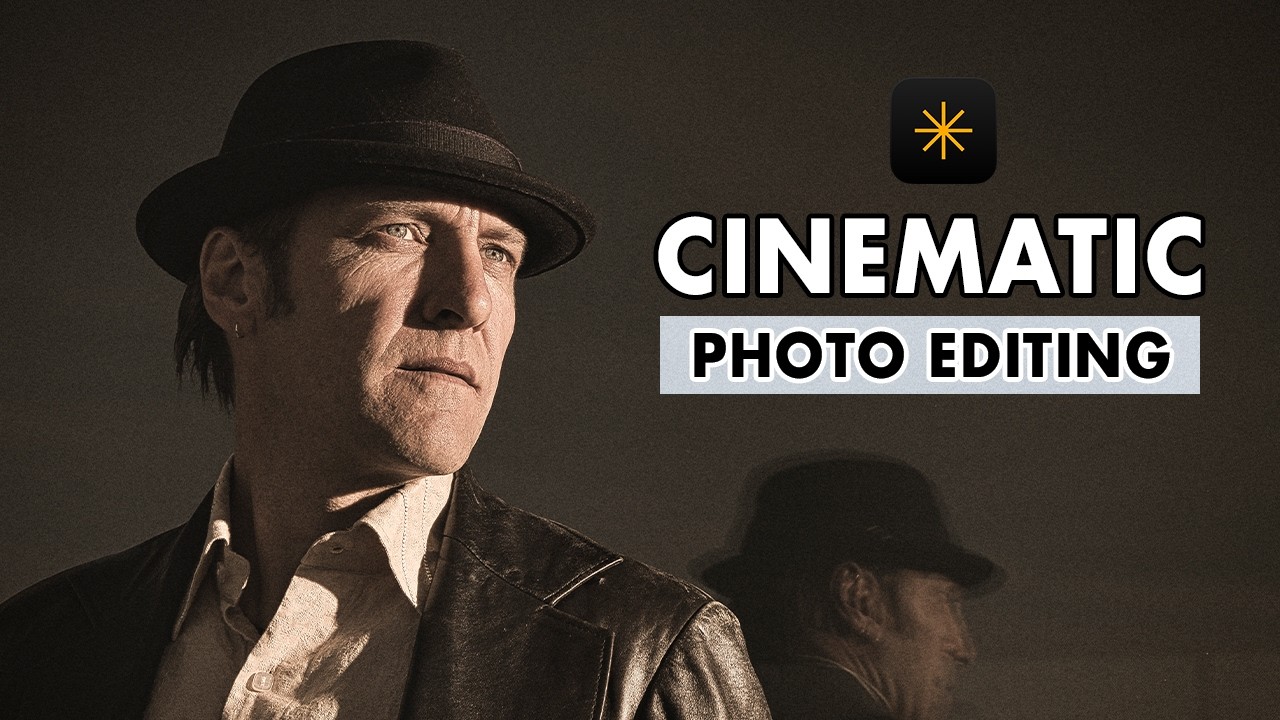
Crafting a cinematic portrait demands more than just a wide aperture and a creamy, beautifully rendered bokeh. O...
Crafting a cinematic portrait demands more than just a wide aperture and a creamy, beautifully rendered bokeh.
Often, the true atmospheric magic occurs during the editing process, where a standard digital file is deliberately molded into a narrative frame. A photograph captured in ordinary daylight, supplemented by a hard key light, provides a robust foundation for this aesthetic workflow.
This single, directional source establishes the fundamental lighting ratios that guide the post-processing journey, dictating the depth of field and minimizing the immediate need for a traditional fill light. The metamorphosis begins entirely with color grading. Shifting the temperature toward warmth and introducing magenta tones pulls the image away from documentary reality and directly into the realm of cinema. Managing the overall saturation ensures the color palette remains sophisticated rather than garish or overly processed.
7/17/2026
The captivating interplay between light and shadow is what transforms a simple still life into a work of art. By care...
The captivating interplay between light and shadow is what transforms a simple still life into a work of art. By carefully manipulating directional illumination, you can emphasize the rich, tactile texture of your subject to create an image that feels soft yet incredibly contrasty—reminiscent of the Old Masters.
The secret to this painterly look relies entirely on physical light modification, deliberate camera settings, and background contrast.











SOCIAL MEDIA