


Your Shutter Speed is Too Fast: Creative Techniques for Motion Blur
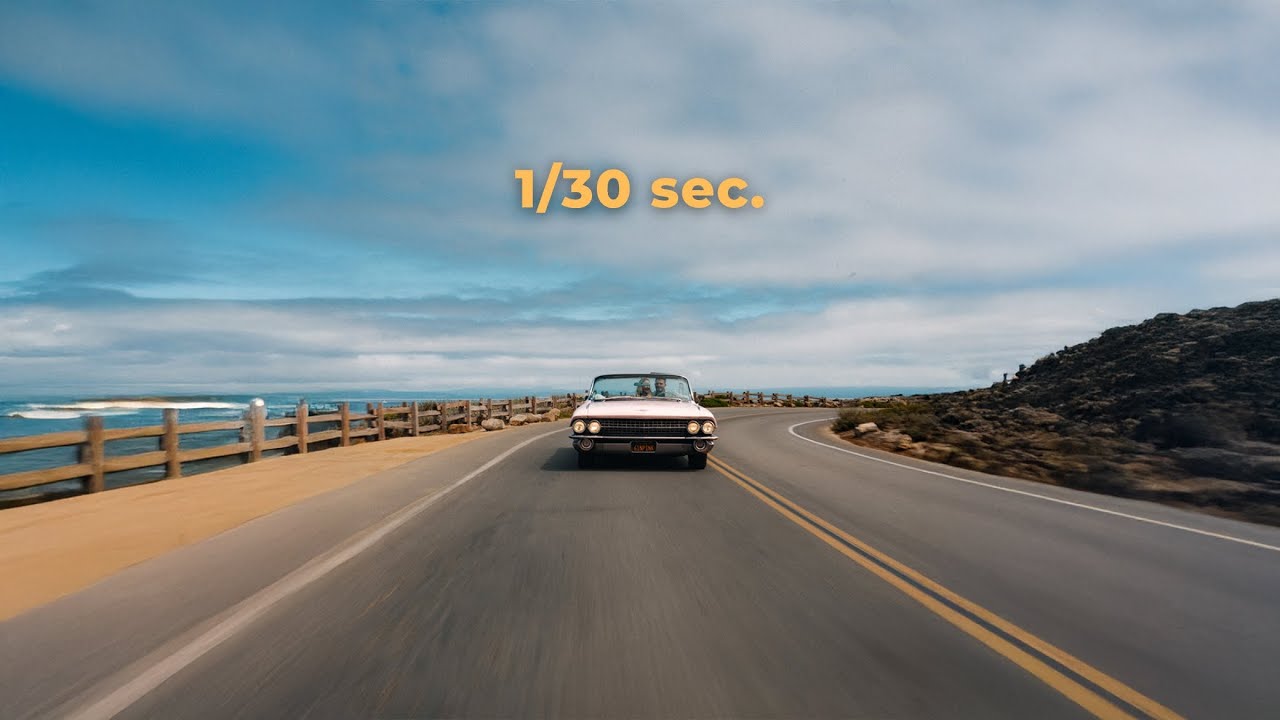
Most of us learn to photograph by trying to stop time, but what if you could paint with it instead? By embracing a slow shutter speed, you can transform ordinary scenes into dynamic, expressive works of art. This video by Sean Dalton is a fantastic guide to mastering this creative choice, showing you how to capture not just a moment, but a sense of motion.
The key to powerful photography is storytelling. While a fast shutter freezes a scene, a slow one can add energy and emotion. Think of a waterfall turning into a silky cascade or city lights blurring into vibrant streaks. This is the art of using motion blur to create a feeling of movement and life, giving your photos a unique, painterly quality.
Four Ways to Master Motion Blur
The video highlights several powerful techniques to use a slow shutter speed creatively. These methods allow you to control the blur and use it to your advantage, turning a technical setting into an artistic tool.
1. The Tripod Long Exposure
This is the go-to method for creating surreal, motionless backgrounds with blurred subjects. By placing your camera on a tripod, you keep the static elements sharp while capturing the motion of water, clouds, or people. For daytime long exposures, an ND filter is crucial to prevent overexposure, acting like sunglasses for your lens.
2. The Tracking Shot
To make a moving subject appear sharp against a blurred background, you need to track it. Set a slower shutter speed (around 1/30s to 1/60s), follow your subject smoothly with your camera, and press the shutter. This technique, also known as panning, is perfect for capturing a sense of speed in sports or street photography.
3. Handheld Long Exposure
Break away from the tripod and embrace intentional camera movement. By moving your camera with a slower shutter speed, you can create abstract streaks, swirls, and unique light patterns. This method is all about experimentation and spontaneity, yielding results that are beautifully unpredictable and raw.
4. Flash Freeze
This advanced technique combines flash with a slow shutter in low-light conditions. The flash freezes your subject with crisp detail, while the long exposure captures any ambient light and camera movement, creating a dynamic, streaky background. It’s an effective way to add a ghostly, surreal layer to your photos.
Start Slowing Down
The next time you're out shooting, think about the story you want to tell. Instead of always aiming for a fast shutter, experiment with a slower one to add a sense of time, energy, and motion. Remember, the best images are often those where you make a deliberate creative choice, not just a technical one.
Images and video via Sean Dalton




0 comments:
Post a Comment