


4X the Light: Choosing the Right Reflector to Maximize Your Output
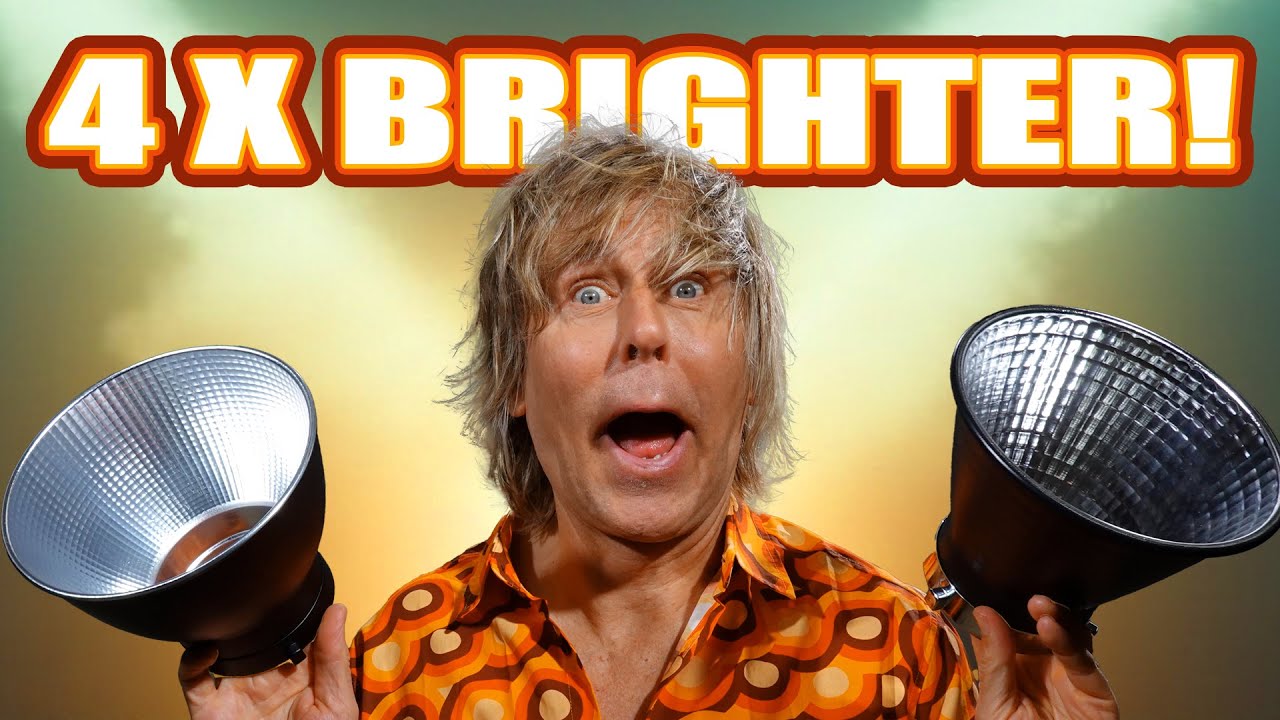
The quality of light in your photograph is everything, and one of the most overlooked factors in controlling that light is the humble reflector. For photographers using strobes or powerful LEDs, the choice of a light modifier isn't just about shaping light—it's about maximizing power.
Selecting the right reflector can provide up to two stops of extra light, effectively multiplying your light output by four times. This is game-changing information, especially for outdoor shooting where every fraction of an f-stop matters when fighting the sun.
Reflectors Win for Power and Portability
They're also incredibly portable, quick to set up, and they won't become a sail in the wind.
Many professional-grade images have been shot using only reflectors, proving they're a powerful and practical choice for on-location lighting.
The Hot Spot: Intensity vs. Spread
- Maximum Intensity: Reflectors with deep, straight edges and prominent facets (like the RFT19) concentrate the light into a small, bright hot spot, achieving the highest possible light reading (up to an f-stop or more brighter). This is ideal for powerful light thrown over a distance.
- Maximum Spread: More rounded reflectors, often with a subtle pebbled texture or smaller facets, create a wider, smoother light spread—sometimes 30 inches or more. This is much better for close-up work like vlogging or portraits, but you will lose about one stop of light intensity.
Practical Application Tips
- If the Light is Far Away: Use the highly faceted reflectors to maximize intensity. The distance will naturally spread the tight hot spot.
- If the Light is Up Close: Use the more rounded, traditional reflectors. The wider hot spot ensures even coverage across a person’s face with a softer, more pleasing light fall-off.
While they may slightly improve shadow quality, they significantly cut down on the light output and can even shrink the usable hot spot area.
The true softening effect is best achieved with a dedicated softbox, while reflectors are for efficient power and shaping.
The goal is to choose the right tool—and often, the right reflector—to unlock four times the light you thought you had.
Reflector Selection Summary
| Reflector Style | Resulting Light | When to Use It |
|---|---|---|
| Faceted (Newer, Straighter) | High Intensity, Small Hot Spot | To overpower sun; light is far from subject. |
| Rounded (Older, Pebbled) | Lower Intensity, Wide Hot Spot | Close-up work; achieving a smoother, wider spread. |




0 comments:
Post a Comment