


Polaroid 20x24: Mastering the Art of the World's Largest Instant Camera
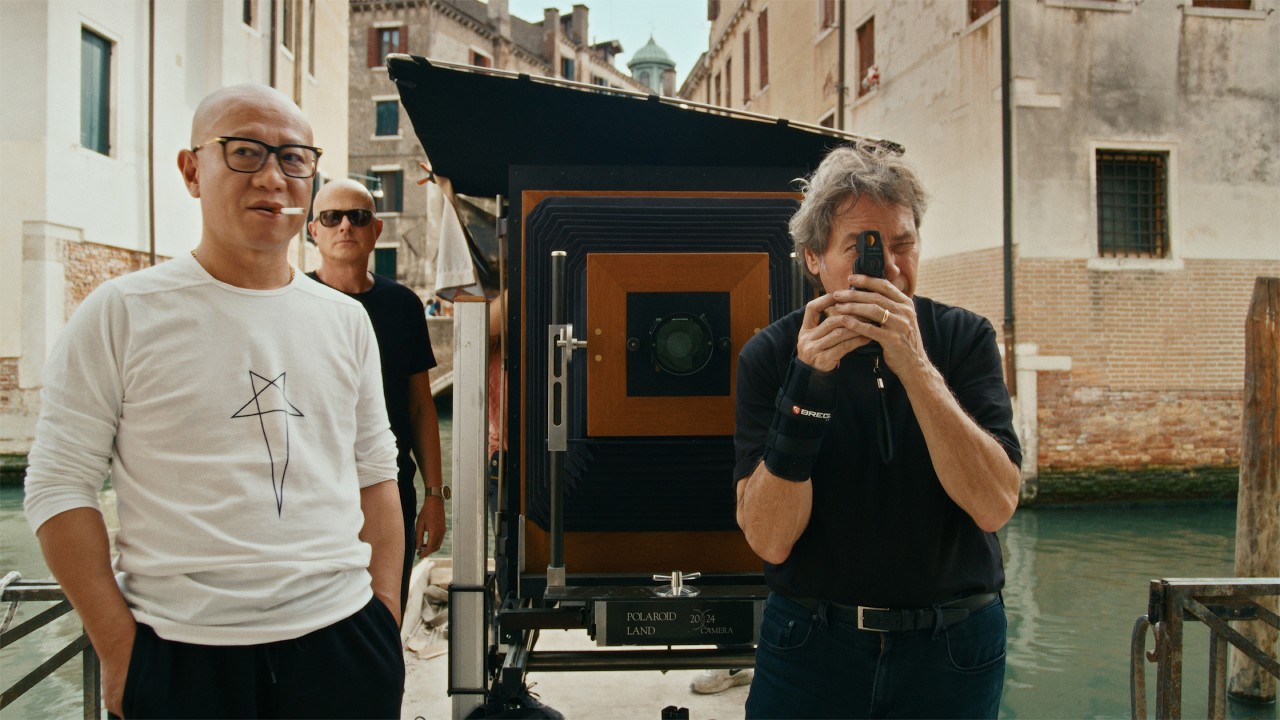
The art of instant photography takes on a monumental scale when dealing with the legendary 20x24 Polaroid camera.
In a journey that brings this mechanical beast to the historic canals of Venice, the focus shifts from the convenience of digital pixels to the raw, unpredictable beauty of large-format chemical processing.
Mastering such a unique medium requires a deep understanding of optics, light, and the patience to handle equipment that weighs hundreds of pounds.
The Challenge of Extreme Depth of Field
Even at smaller apertures, the distance between what is sharp and what falls into a creamy bokeh is incredibly narrow. This requires precision in focusing, as a slight movement from the subject can result in a lost shot.

For photographers looking to replicate this look, using a long focal length lens combined with a wide aperture (like f/1.4 or f/1.8) on a standard camera is the best way to achieve those desired bokeh and subject separation.
Mastering Light and Chemistry

The process is a reminder that great photography is often about problem-solving—whether it is finding enough electricity to power studio lights or warming up temperature-sensitive film to ensure the chemicals react correctly.
Every exposure is a high-stakes commitment, as each sheet of film is a valuable, one-of-a-kind physical object.
Actionable Tips for Large Format Aesthetics
Experiment with "bokeh panoramas" (also known as the Brenizer Method) by stitching multiple shallow-depth-of-field images together to simulate the look of a much larger sensor.
This technique allows for a wide-angle view while maintaining the extremely blurred background typically reserved for telephoto lenses. Additionally, always pay attention to the distance between your subject and the background; the greater the gap, the more pronounced your bokeh will be.





1 comments:
Fascinating. Cool film, too. Thanks!
Post a Comment