


Mastering Abstract Macro: The Art of Water Beads and Light
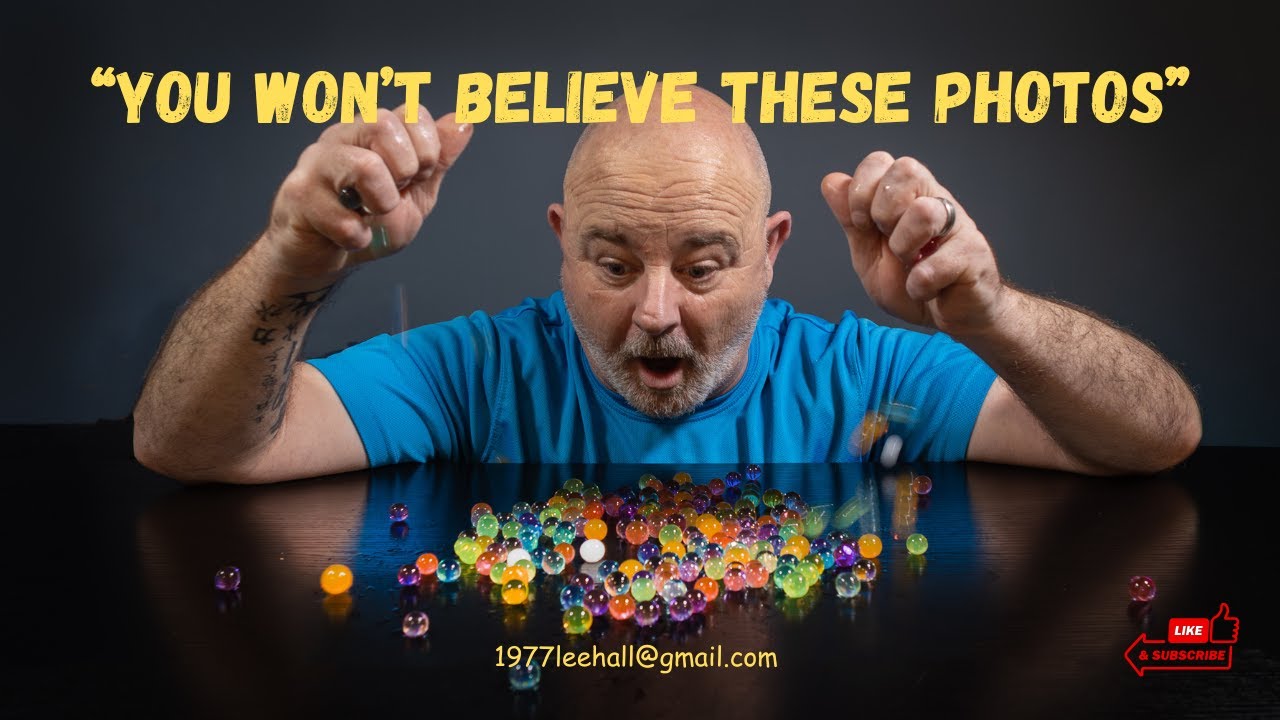
Capturing the intricate beauty of the miniature world often requires more than just expensive gear; it requires a creative eye and a willingness to experiment with unconventional materials. Abstract macro photography offers a unique playground where technical perfection takes a backseat to mood, texture, and color. By utilizing simple silicon water beads, or Orbeez, stunning, "vintage-look" imagery can be created right at a kitchen table.
The beauty of this technique lies in its imperfection. Unlike traditional macro work that demands clinical sharpness, this approach embraces a grungier aesthetic. Dust marks, digital noise, and soft focus actually contribute to a timeless, artistic feel that mimics the soul of analog photography.
```
The foundation of this setup involves soaking water beads for varying durations. By doing so, a mix of small, medium, and large spheres is created. This variation is critical for building a complex depth of field. When these beads are layered in a glass or a flat container, they create a multi-dimensional landscape for the lens to explore.
```
Layering Textures and Controlling Depth
The foundation of this setup involves soaking water beads for varying durations. By doing so, a mix of small, medium, and large spheres is created. This variation is critical for building a complex depth of field. When these beads are layered in a glass or a flat container, they create a multi-dimensional landscape for the lens to explore.
Choosing the right vessel is equally important. While a flat plastic tray provides a consistent plane of focus, a simple drinking glass often yields more interesting results. The subtle curves of the glass distort the light and the shapes of the beads, adding to the abstract nature of the shot. Smearing the glass with fingerprints or leaving it slightly "unclean" helps break the digital sterility, enhancing that desired vintage vibe.
In macro photography, lighting is the brush that paints the scene. A single, versatile LED light is often all that is needed to transform a dark, flat image into a vibrant explosion of color. By positioning the light at different angles—or even backlighting the subject—the translucent properties of the silicon beads are highlighted, creating glowing orbs and deep shadows.
Lighting for Color and Contrast
In macro photography, lighting is the brush that paints the scene. A single, versatile LED light is often all that is needed to transform a dark, flat image into a vibrant explosion of color. By positioning the light at different angles—or even backlighting the subject—the translucent properties of the silicon beads are highlighted, creating glowing orbs and deep shadows.
Adjusting the aperture (f-stop) allows for precise control over how many beads remain in focus. A wider aperture creates creamy bokeh balls and a dreamy atmosphere, while stopping down to f/10 or higher reveals more of the "gritty" textures within the arrangement.
• Embrace the "Grunge": Don't over-clean your glassware; fingerprints and dust add character to abstract vintage shots.
• Experiment with Backlighting: Place your light source behind the beads to make them glow and reveal internal textures.
• Keep Moving: Shake the container or stir the beads between shots to constantly find new, unique compositions.
Images and video via Lee Hall
Pro Tips for Abstract Macro at Home:
• Vary Your Bead Sizes: Soak your water beads in different stages to get a mix of sizes for better visual layering.• Embrace the "Grunge": Don't over-clean your glassware; fingerprints and dust add character to abstract vintage shots.
• Experiment with Backlighting: Place your light source behind the beads to make them glow and reveal internal textures.
• Keep Moving: Shake the container or stir the beads between shots to constantly find new, unique compositions.
Project Resume
The Concept
Creative abstract macro photography using water beads and single-light setups.
Key Gear
OM-1 Mark II, 90mm (or 60mm) Macro Lens, and portable LED lights.
Techniques
Backlighting, intentional focus shifting, and layering varied bead sizes.
Images and video via Lee Hall




0 comments:
Post a Comment