


The Default Aperture Setting That is Quietly Ruining Your Composition
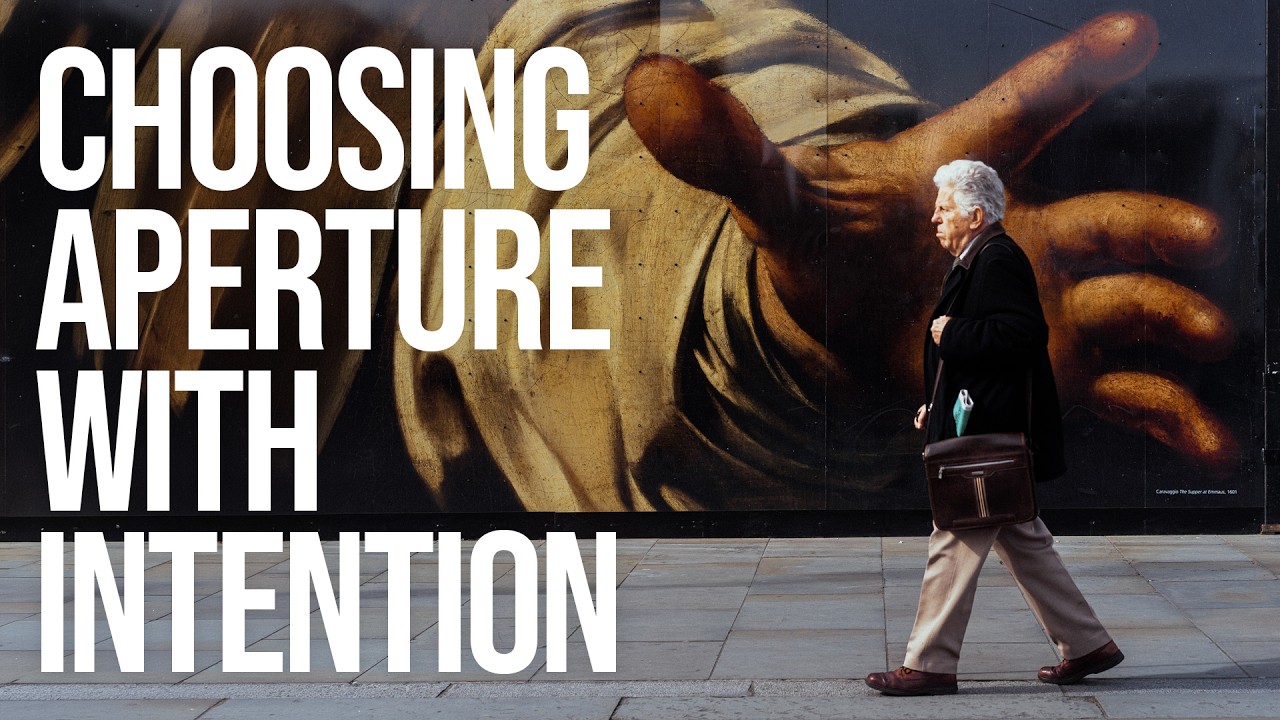
Many practitioners, once they acquire a lens capable of f/1.4 or f/1.8, become enamored with the bokeh and shallow depth of field, viewing it as the ultimate hallmark of professional imagery. This aesthetic serves as a powerful tool for isolating subjects, yet it often becomes a default setting rather than a deliberate creative choice.
The aperture is far more than a light-control mechanism; it is a narrative gatekeeper. While a wide aperture simplifies a scene by obliterating distracting elements, it can also act as a crutch that masks underdeveloped compositional skills.
By blurring the background entirely, the photographer risks stripping the subject of its environment, reducing a complex street scene to an isolated portrait without the richness of its surroundings.
Escaping the Shallow Focus Trap
True mastery of street photography often requires the opposite approach of what many beginners expect. Closing the aperture down to f/8 or f/11—frequently referred to as the "sweet spot" of most lenses—unlocks a level of crispness and clarity that wide-open shooting simply cannot match.
This technical shift ensures that the lens is performing at its peak optical resolution, minimizing chromatic aberrations and vignetting.
More importantly, a deeper depth of field provides the necessary canvas to tell a story through environmental relationships. Whether it is a subject echoing the geometry of nearby architecture or multiple figures interacting across different focal planes, these narratives depend on the entire frame being acceptably sharp.
When we shoot at f/1.4 by default, we unintentionally strip the world out of our photographs, leaving only fragments behind.
Intentionality Over Habit
The transition from f/1.4 to f/8 is not merely a technical adjustment; it is an evolution in photographic vision. It forces the practitioner to compose more carefully, engaging with the chaos of the street rather than hiding from it.
By embracing a deeper depth of field, the photographer acknowledges that every element within the frame—from the textures in the foreground to the distant urban landscape—contributes to the final story.
Pro Tips for Mastering Depth and Clarity:
• Find the Sweet Spot: Most lenses achieve maximum sharpness between f/5.6 and f/11; use this range to ensure edge-to-edge detail.• Context is Key: Use a deeper depth of field when the background provides essential information or juxtaposition to your subject.
• Mind Your Focal Length: Remember that wider lenses (28mm or 35mm) naturally provide more depth of field than telephoto lenses at the same aperture.
• Intentional Abstraction: Only open the aperture wide when you have a specific artistic reason to simplify the scene or create a surreal mood.
Video and images via Sean Tucker





0 comments:
Post a Comment