


Portrait Lighting Tutorial: One Light, Five Studio Looks
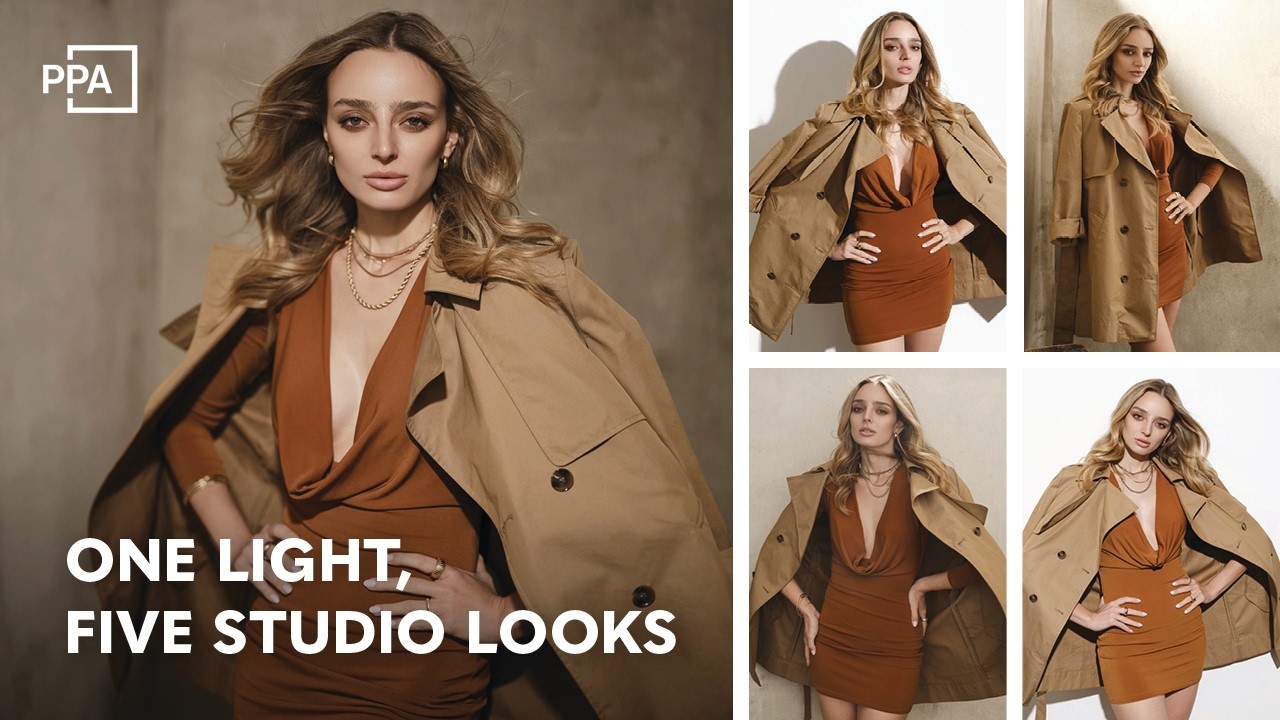
In this methodical approach to portraiture, the primary source acts exclusively as the key light, dictating the structural narrative of the face. Without the intervention of a fill light, the shadows cascade naturally, requiring precise exposure metering and an acute understanding of how light falls off across the subject's features.

The placement of the strobe drastically alters the resulting aesthetic. Positioning a bare bulb at a sharp angle introduces dramatic cast shadows, ideal for contouring and high-fashion aesthetics. Conversely, aligning the strobe directly behind the lens flattens the immediate contrast, eliminating lateral shadows for a pristine beauty setup.
When executing this frontal axis technique, maintaining optimal distance is vital to prevent the photographer's own silhouette from intruding upon the frame.
The Art of Bounced Illumination
For a drastically softer look within tight constraints, the light can be fired backward into a neutral wall. This technique effectively turns the architectural surface into an enormous modifier, wrapping the subject in a diffuse, sun-drenched glow.
Managing lighting ratios in a small space becomes an exercise in geometry; bouncing the light mitigates the harshness of a bare bulb, resulting in delicate, organic highlights.
Pro Tip: When bouncing light, carefully monitor your white balance and exposure. Utilizing a wider aperture reduces the required flash output while naturally shrinking the depth of field. This creates a pleasing bokeh that beautifully conceals minor background imperfections.
Ultimately, visual variety does not require an arsenal of equipment. By calculating the trajectory of a single beam, photographers can extract endless variations from a minimalist setup, proving that creative intention always supersedes gear.
Video and concepts via Professional Photographers of America (PPA) | Photographer: Ab Sesay




0 comments:
Post a Comment