


The Best Techniques for Milky Way Photography
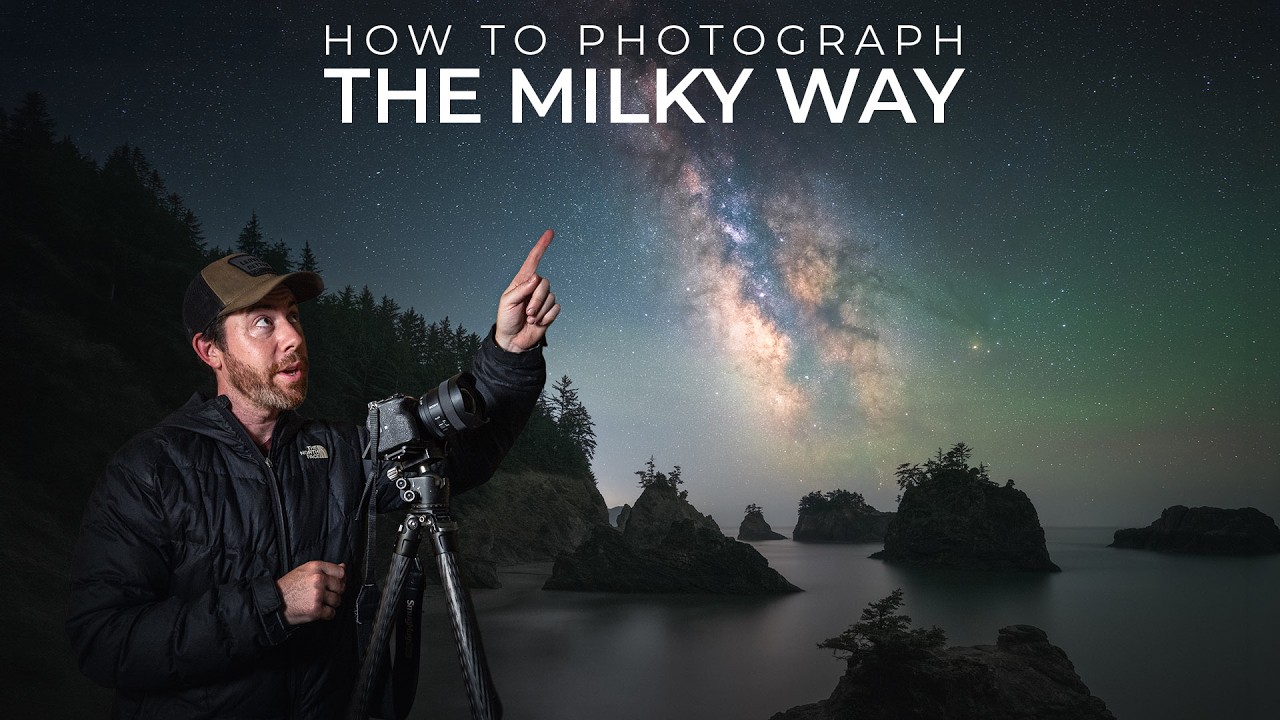
Success depends entirely on maximizing the volume of light entering the sensor, necessitating high ISO sensitivities and the widest possible aperture.
While astrophotography departs from traditional studio work, fundamental principles like depth of field and illumination geometry remain pivotal. In nightscapes, the cosmos acts as an infinite, distant key light.
When a photographer chooses to illuminate the terrestrial foreground, that supplementary fill light must be managed with surgical precision. Disrupting the natural lighting ratios with overly aggressive foreground illumination shatters the visual harmony.
Unlike portraiture, where isolated subjects benefit from creamy bokeh, environmental astrophotography demands uncompromising clarity from the immediate foreground to the edge of the universe.
Mastering the Exposure Equation
Calculating the precise shutter speed is an exercise in orbital mechanics. As the Earth rotates, prolonged exposures stretch pinpoint stars into distracting trails. Utilizing mathematical guidelines like the NPF rule—which calculates exposure limits based on focal length and sensor pixel pitch—ensures the stars remain perfectly static.
Stacking multiple short exposures further refines the raw data, allowing software to average the frames and drastically eliminate digital noise.
Pro Tip: When constructing panoramic nightscapes, overlapping each frame by at least twenty-five percent guarantees a seamless stitch. Expanding the field of view beyond the immediate subject provides essential latitude for correcting lens distortion during post-processing.
Integrating a pristine foreground with the majestic night sky often requires composite techniques. Executing a longer, low-ISO exposure for the landscape, independent of the star stack, preserves dynamic range and terrestrial texture.
The final composite harmonizes these separate temporal moments into a singular, unified narrative of the nocturnal environment.
Video and images via Michael Shainblum





0 comments:
Post a Comment