


Inside the Mind of Julia Fullerton-Batten: How to Turn an Idea into a Cinematic Photograph
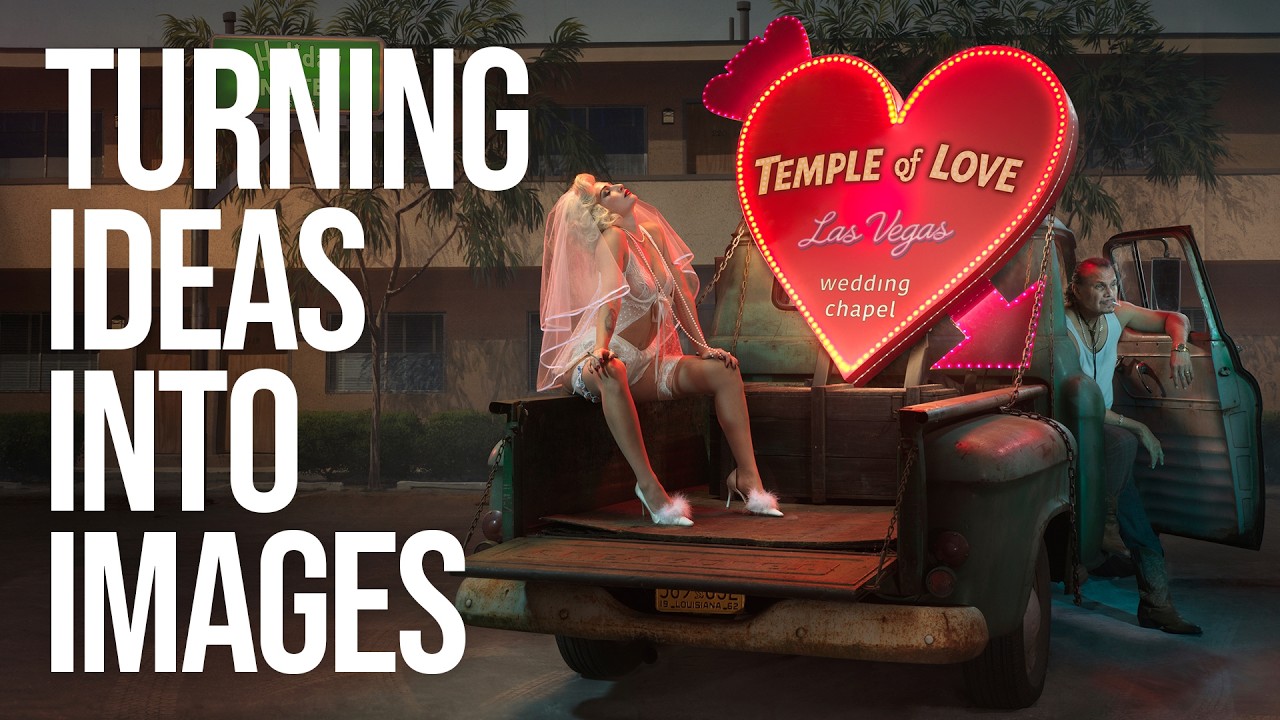
Getting inside the mind of another photographer can completely alter how we approach our own creative work. While looking at large-scale, cinematic productions with elaborate sets and massive lighting rigs might initially feel intimidating, every artist’s journey begins with simpler, smaller steps. What truly sets a remarkable image apart is not the size of the crew, but the imagination behind the frame.
Fine art photographer Julia Fullerton-Batten transitioned from commercial work to crafting deeply personal, narrative-rich images that explore history, human connection, and surreal moments.
Her creative process relies on previsualization, rigorous research, and meticulous planning—often taking months to develop an idea before bringing it to life in front of the camera.
By treating the lens like a blank canvas, she builds complex scenes, carefully staging locations, styling subjects, and shaping light to tell multifaceted stories in a single frame.
From Personal Stories to Historical Tableau
Fullerton-Batten’s projects often draw from deep research and historical curiosity, ranging from forgotten London folklore along the River Thames to reenacting stories of feral children. During the global lockdown, she adapted her cinematic approach to photograph neighbors framed behind their home windows—proving that a strong narrative vision can survive even within tight physical constraints.
Her recent collaboration with classic hand-painted Hollywood backdrops further demonstrates how painterly influences and structured pre-production merge to create timeless fine art tableau.
Precision and Control In-Camera
Rather than depending heavily on post-production special effects, Fullerton-Batten emphasizes getting as much right in-camera as possible. She frequently uses complex arrays of off-camera flash units to override ambient daylight, establishing hyper-stylized yet grounded lighting schemes.
This precise physical control over pools of light ensures that the final image carries an authentic, painterly quality straight out of the camera.
Practical Studio Advice: Do not let elaborate productions discourage you from pursuing your own conceptual ideas. Begin with small, thoroughly researched projects, focus on staging and previsualization, and build your technical lighting skills step by step to realize your unique visual vision.
Video and images via Sean Tucker





0 comments:
Post a Comment