


Mastering the Street: Simplify Your Camera Setup for Split-Second Moments
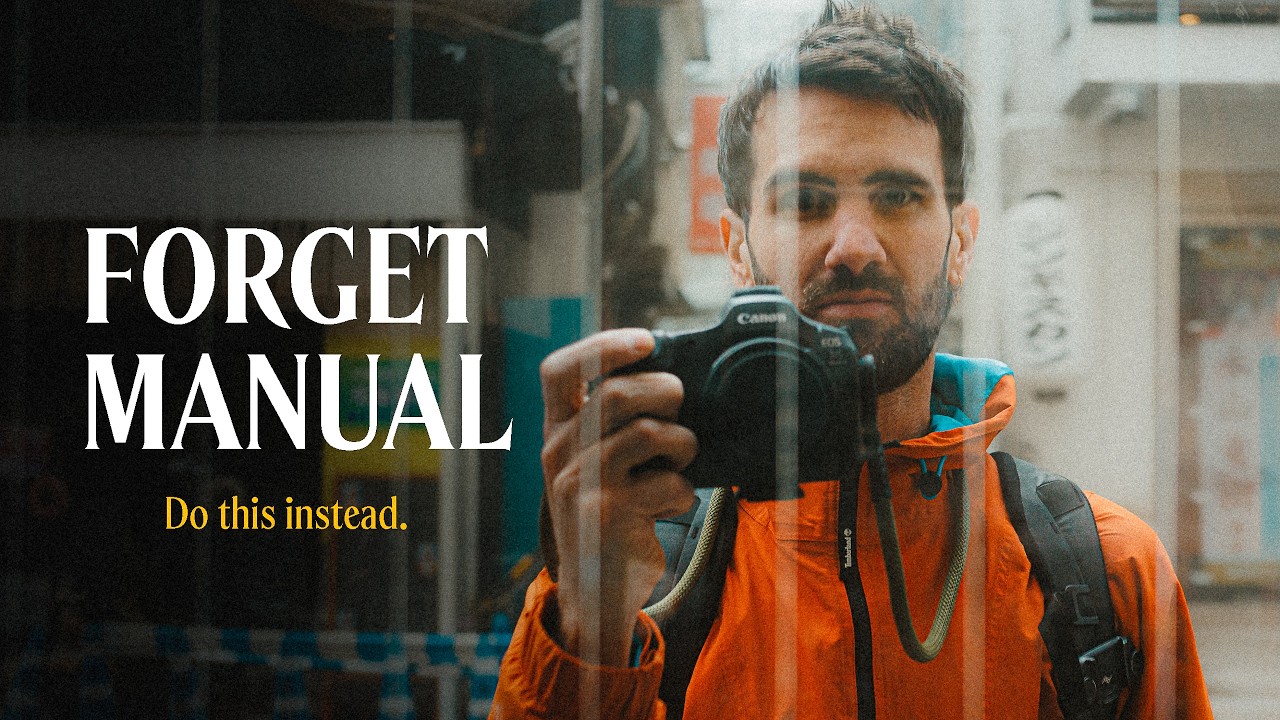
Street photography often hinges on fleeting split-second decisions where complex camera menus only create friction between the creator and the scene. Rather than constantly recalculating exposures in full manual mode, leaning on aperture priority allows the photographer to control depth of field while delegating rapid shutter speed calculations directly to the camera sensor.
This streamlined strategy ensures the gear recedes into the background, leaving maximum focus for composition.
Setting ISO manually for ambient lighting conditions keeps the camera predictable, while selective exposure compensation preserves high-contrast highlights and silhouetting.
Relying on moderate apertures during daylight provides ample depth to keep subjects sharp across complex layers.
Autofocus and Display Flexibility
Modern subject-tracking AF paired with continuous servo mode ensures moving subjects remain crisp without constant refocusing. Utilizing rear-screen touch-and-drag autofocus grants rapid point placement when tracking complex crowds.
Framing via the rear display enables unconventional high or low angles, proving that capture speed and final image quality matter far more than rigid traditional technique.
Custom Modes for Every Scenario
Locking key camera states into custom modes minimizes fumbling when lighting conditions shift dramatically. Assigning dedicated presets for bright daylight, low-light night walks, and intentional motion blur creates a reliable system.
This structured setup empowers photographers to transition seamlessly between environments without losing focus on the surrounding visual narrative.
Key Takeaway: Program custom shooting modes for daylight, night, and intentional motion blur to eliminate camera fumbling. Prioritize aperture control and exposure compensation to capture dynamic street scenes with minimal delay.
Video and images via TKNORTH




0 comments:
Post a Comment