


The 6-Phase Editing Framework Every Photographer Needs, According to Pat Kay
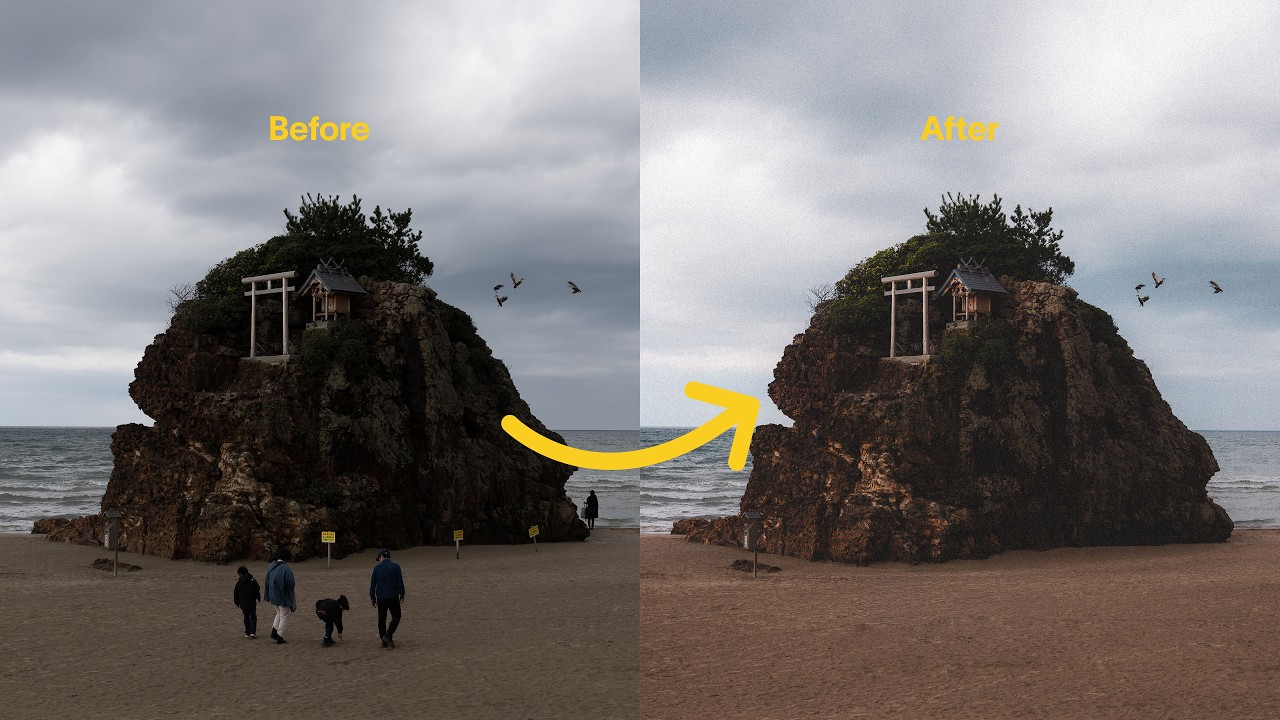
Photo editing is often misunderstood as random slider pushing, but true mastery begins with a clear mindset. Photographer Pat Kay redefines post-processing by establishing a fundamental principle: the in-camera capture accounts for 80% of an image, while the edit completes the final 20%.
Rather than forcing artificial effects, every move in the digital darkroom must directly serve the subject.
Kay breaks the editing process into a structured six-phase workflow divided into two main acts: Restoration and Building.
The workflow begins by repairing capture flaws and standardizing exposure before adding contrast, localized masking, and selective detail.
A Purpose-Driven Six-Phase Workflow
By diagnosing what an image needs before touching a slider, photographers avoid the trap of heavy saturation and aggressive clarity. Restraint remains the central rule throughout every step.
Each phase—from lens correction to precise local masking—builds a clean foundation that accentuates the subject while preserving believable realism.
Exporting with Intent and Precision
Even a well-executed edit can fail if the final export settings are overlooked. Customizing crop ratios and sharpen settings for specific web or print platforms ensures the final photograph retains its visual authority.
Ultimately, effective editing relies on methodical intent rather than automated presets or reckless adjustments.
Practical Studio Advice: Always diagnose the image before moving any sliders. Identify the core subject, restore foundational exposure and lens corrections first, and ensure color choices remain grounded in real-world lighting.
Video and images via Pat Kay





0 comments:
Post a Comment