


How Artificial Intelligence Is Breaking Open Closed Camera Firmware
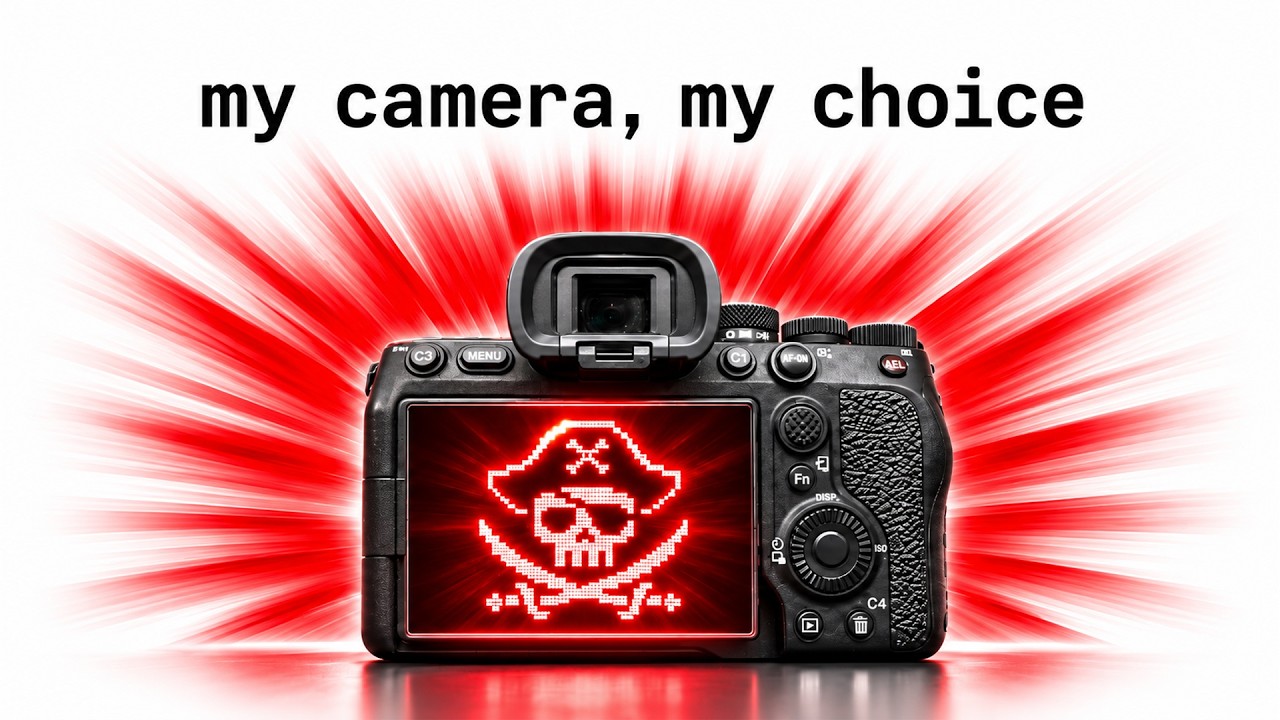
By feeding complex camera firmware into local language models and automated analysis pipelines, developers and technical shooters are uncovering hidden parameters and writing custom patches. This shift means we are moving past standard manufacturer presets into an era of true device personalization.
Whether it is optimizing data rates, altering operational workflows, or unlocking capabilities that brands traditionally gatekeep, AI-assisted modifications are transforming standard mirrorless bodies into flexible, programmable tools.
The Practical Reality of Firmware Modding
While the concept of jailbreaking digital hardware opens up extraordinary creative freedom, it requires a systematic, cautious approach.
Modifying device firmware carries inherent risks—ranging from minor software bugs to permanently bricking high-end bodies if proper backups and verification steps are ignored.
Key Considerations for Experimental Firmware:
• Always verify research notes and open-source repositories thoroughly before testing code on production gear.
• Ensure full battery charge and stable connections during any transfer process to avoid data corruption.
• Focus on understanding the underlying logic rather than blindly applying patches.
Video and media via FUTC





0 comments:
Post a Comment