12/10/2025
When the goal is to carve out cheekbones and add three-dimensional depth to a portrait, the beauty dish stands in a league of its own. Unlik...
When the goal is to carve out cheekbones and add three-dimensional depth to a portrait, the beauty dish stands in a league of its own. Unlike the broad wash of a softbox, a 24-inch beauty dish provides a precise mixture of softness and definition.
This video breaks down how to find the "sweet spot" to sculpt facial features and elevate your lighting game.
12/09/2025
Martin Parr, a titan of British documentary photography, reminds us that the most powerful tool in our bag isn't a lens—it's intuiti...
Martin Parr, a titan of British documentary photography, reminds us that the most powerful tool in our bag isn't a lens—it's intuition. His approach strips away the obsession with technical perfection, revealing that photography is fundamentally about defining your relationship with the world around you. For photographers looking to sharpen their vision, Parr's philosophy offers a masterclass in seeing rather than just looking.
11/27/2025
The ultimate creative control in photography is now achieved at the fusion point of AI-generated environments and precise studio technique. ...
The ultimate creative control in photography is now achieved at the fusion point of AI-generated environments and precise studio technique. This powerful workflow allows high-end fashion visions to be realized without the constraints of location or budget, demanding a deep understanding of light to successfully bridge the digital and physical worlds.
11/24/2025
Understanding lighting ratios like 3:1, 5:1, or 9:1 is not about solving complex equations; it’s about controlling the language of light to...
Understanding lighting ratios like 3:1, 5:1, or 9:1 is not about solving complex equations; it’s about controlling the language of light to shape contrast and maximize dimensionality in your portraits.
These ratios simply describe the balance between the bright side of your subject (illuminated by the Key Light plus the Fill Light) and the shadow side (controlled by the Fill Light alone). Master this balance, and you master the mood of your images.
11/16/2025
Photography can feel immediate, but the work of artists like Brendan Barry pulls us back to the tangible, historical essence of the craft. H...
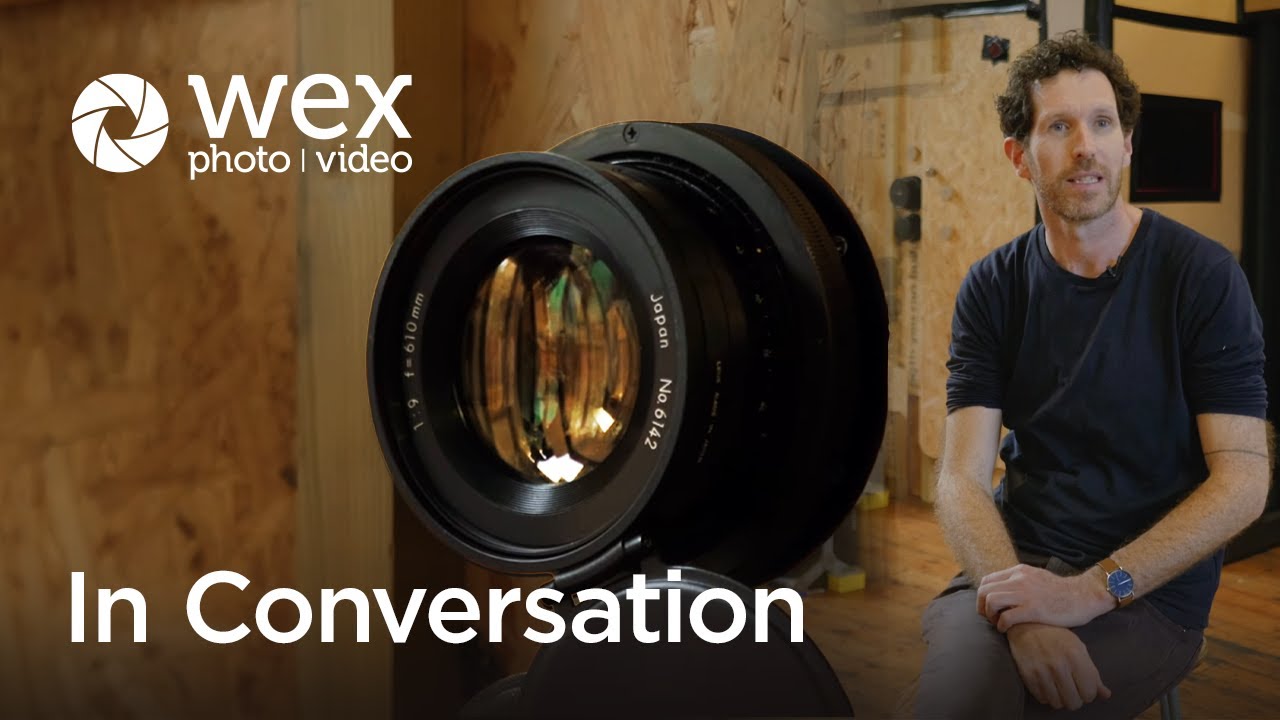
Photography can feel immediate, but the work of artists like Brendan Barry pulls us back to the tangible, historical essence of the craft. His project—a giant functional camera obscura and darkroom built to engage the public—reminds us that the creative process is often the true art.
11/16/2025
A truly exceptional photograph relies not just on composition, but on the raw data captured. A critical differentiator for professional-grad...
A truly exceptional photograph relies not just on composition, but on the raw data captured. A critical differentiator for professional-grade images is color depth.
Moving to 16-bit color fundamentally changes the potential for capture and post-processing. While 14-bit images store trillions of colors, 16-bit data expands this exponentially, providing around 65,000 tones per channel, culminating in an astonishing 281 trillion possible colors.
11/14/2025
The pursuit of striking portraiture often involves leveraging dramatic darkness to make the subject the undeniable focal point. For many pho...
The pursuit of striking portraiture often involves leveraging dramatic darkness to make the subject the undeniable focal point. For many photographers, this leads straight to low-key lighting and the creation of a 'black background.'
However, the goal should rarely be a background that is completely black. True mastery of low-key technique involves controlling light just enough to transform that void into a subtle, almost-black tone, injecting much-needed depth and enhancing subject separation.
11/13/2025
Many photographers fall into the trap of over-editing moving water, typically by slamming the Clarity or Dehaze sliders. The result? Flat,...
Many photographers fall into the trap of over-editing moving water, typically by slamming the Clarity or Dehaze sliders. The result? Flat, muddy, and unnatural water.
The issue isn't your camera; it's treating water like a single object when it's composed of three critical components: highlights, midtones, and shadows, all moving at different speeds.
11/11/2025
So, you've nailed the shot with great light—maybe that beautiful natural light from an open garage, perfectly sculpted by white V-flats ...
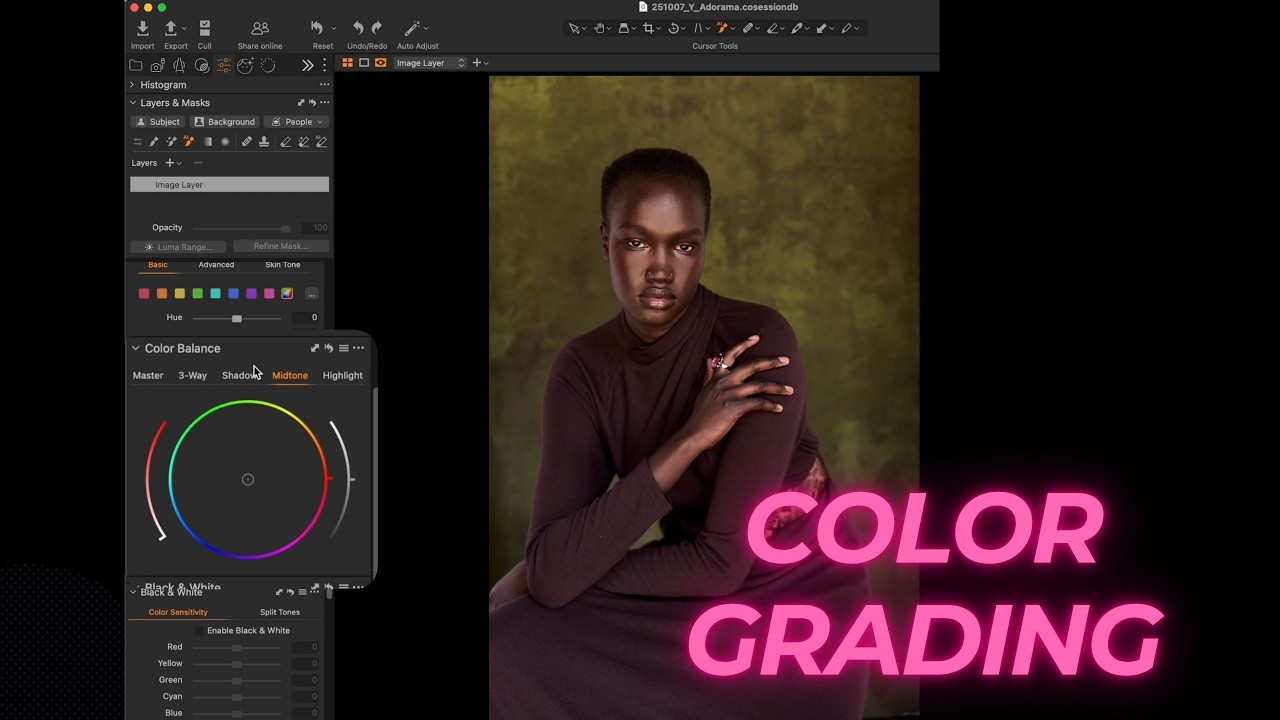
So, you've nailed the shot with great light—maybe that beautiful natural light from an open garage, perfectly sculpted by white V-flats to give your subject a gorgeous rim light. Good start. But the real magic, the shift from a 'good photo' to a 'statement piece,' happens in color grading.
11/11/2025
Forget the frustration of inconsistent interview setups. The best cinematographers don't rely on luck; they use a systematic, repeatable...
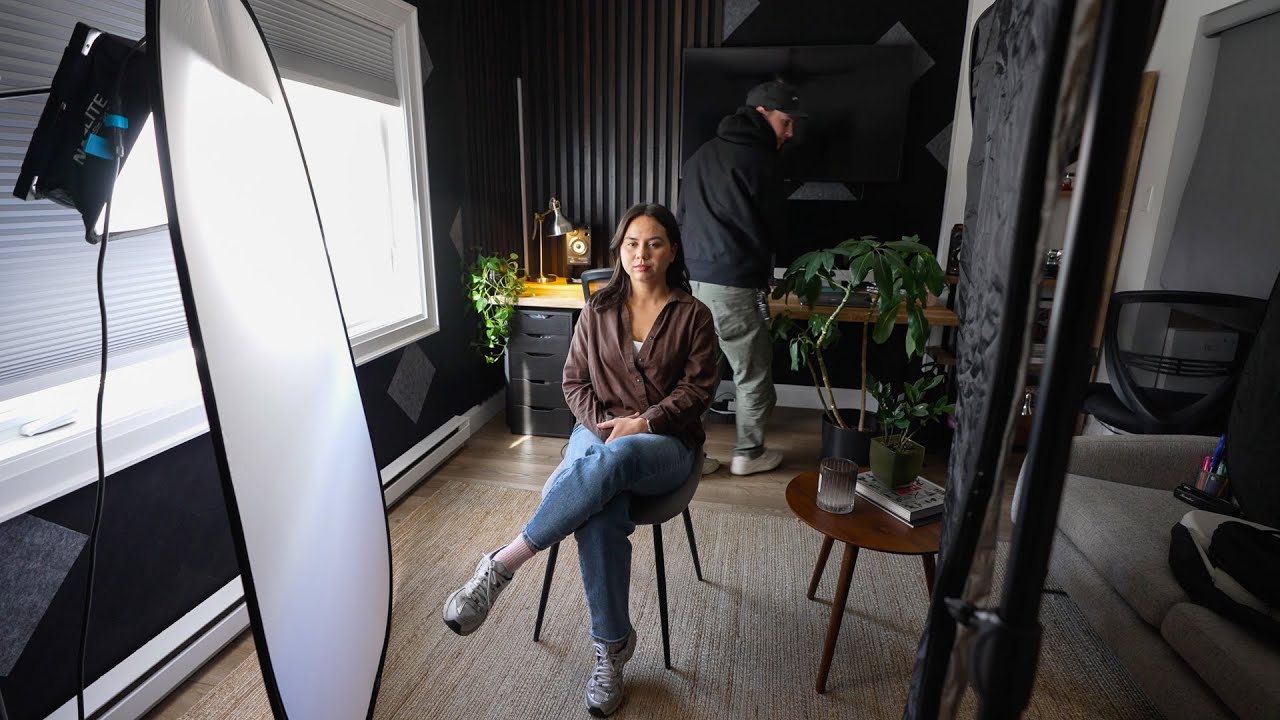
Forget the frustration of inconsistent interview setups. The best cinematographers don't rely on luck; they use a systematic, repeatable 10-step process to ensure professional, naturally motivated lighting every time.
This framework turns chaotic locations into controlled studios, guaranteeing separation, depth, and a compelling look for your subject.















SOCIAL MEDIA