


Stop Killing Your Landscapes: The 3 Sliders Ruining Your Edits (and How to Fix Them)
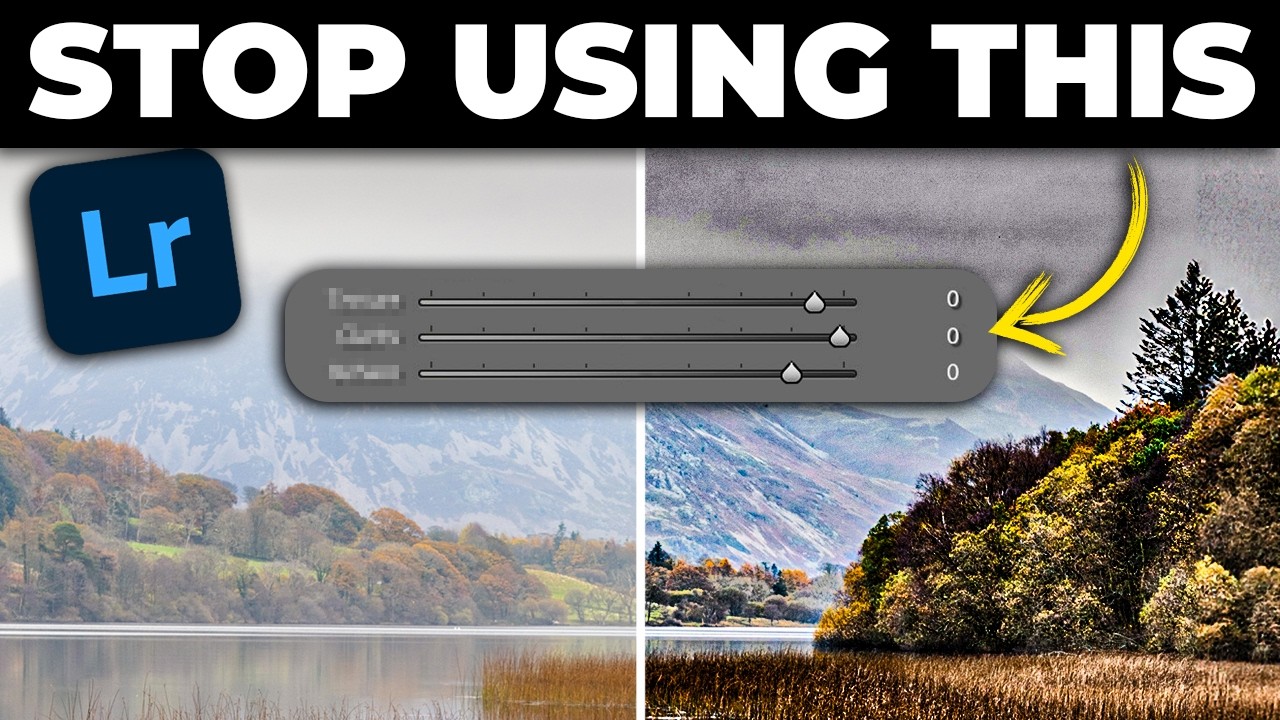
Mastering the art of post-processing is often what separates a captivating landscape image from one that feels amateurish and over-processed. While modern editing software provides powerful tools to enhance detail and contrast, there is a fine line between a professional finish and "crunchy" digital artifacts.
Understanding the nuances of three specific sliders—Dehaze, Clarity, and Texture—is essential for any photographer looking to maintain realism while guiding the viewer's eye through a scene.
Post-Processing Mastery: Summary & Actionable Tips
The Dehaze Dilemma
- The Problem: Over-dehazing removes atmospheric perspective, making distant objects look as sharp as the foreground, which flattens the image.
- The Fix: Use Dehaze sparingly. Consider "Negative Dehaze" (adding haze) to distant backgrounds to create a sense of depth and scale.
Clarity vs. Texture
- Clarity: Best for edge contrast. Use it on structural elements like rocks and architectural lines. Avoid using it on clouds, as it creates "crunchy," unrealistic edges.
- Texture: Targets surface details. Use this for a more natural look when you want to highlight the physical feel of a subject (e.g., sand, bark, or skin) without the heavy contrast shift of Clarity.
The Power of Localized Editing
- Avoid Global Sliders: Dragging these sliders across the entire image is a hallmark of amateur editing.
- Use Masking: Utilize radial gradients and brush masks to apply effects only where they are needed. This allows for "separation"—making the foreground pop while keeping the background soft and deep.
Actionable Workflow Tip
When editing a sunset or high-contrast scene, try adding a radial gradient over the light source and applying a small amount of Negative Dehaze. This creates a soft, "dreamy" glow (often called the Orton Effect) that mimics how the human eye perceives bright, atmospheric light.





0 comments:
Post a Comment