


Mitch Epstein: The Photographer Who Found Meaning in the Everyday
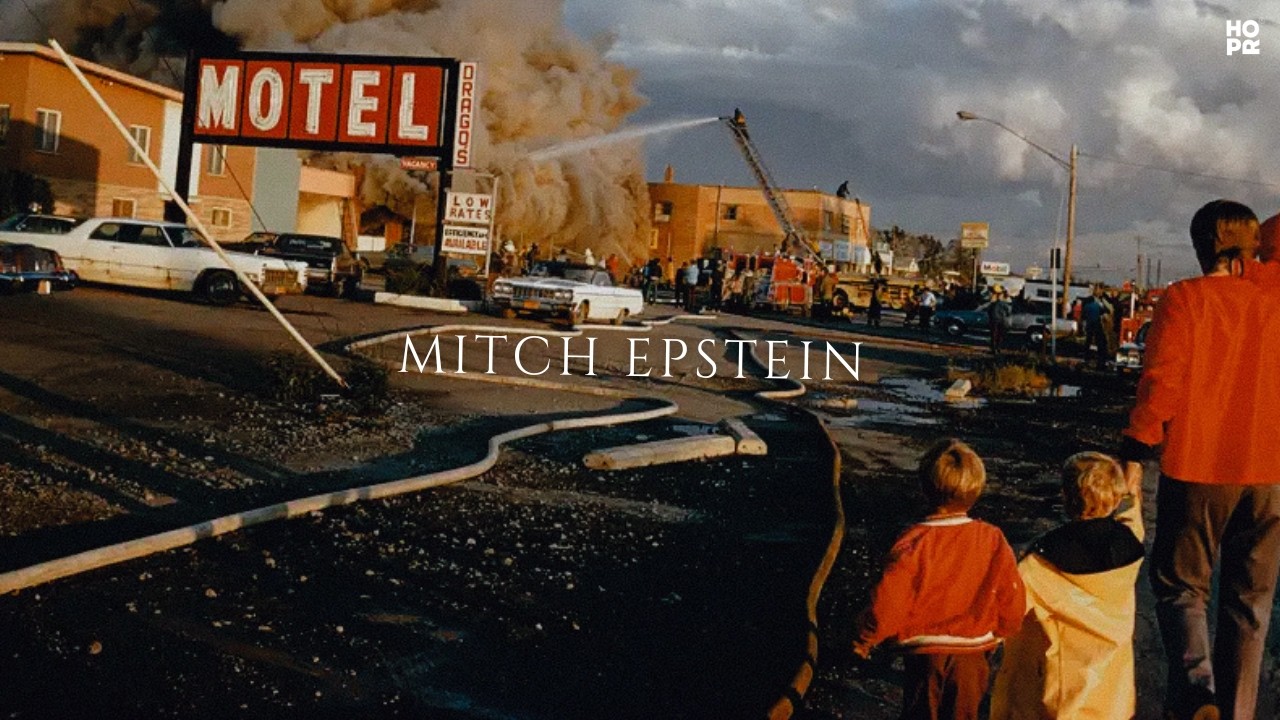
In a visual culture that often favors the easy and the beautiful, photographer Mitch Epstein stands out. He's not interested in just making pretty pictures. Instead, his work is a masterclass in confronting uncomfortable truths and finding beauty in meaning, not just aesthetics.
This video explores Epstein’s unique approach and the powerful lessons we can learn from his refusal to make "easy photos."
Epstein's career is built on a simple yet profound philosophy: a photograph should be both beautiful and disturbing.
He believes that true power lies in holding contradictions and challenging viewers to look closer. This is evident across his major projects, from the personal narratives of "Family Business" to the grand social commentary in "State of the Union" and "American Power."
His lens captures not just what is seen, but the complex layers of society, identity, and the environment that are often hidden from plain sight.
The Power of Narrative: Structure and Repetition
One of the most valuable lessons from Epstein is his use of repetition to build a deeper story. He creates visual motifs that compound across images, revealing a bigger picture over time.
This approach shows us that a single striking photo is powerful, but a cohesive series or body of work can create a truly transformative narrative.
It’s a call to move beyond the one-off shot and embrace the long-term project.
Patience and Intention
Epstein's process is a reminder that great photography is not about luck. He approaches his subjects with patience and intention, often revisiting locations and dedicating significant time to his work.
This allows him to capture nuance and reveal the subtle shifts in a landscape or a community. For us, this means slowing down, observing with curiosity, and striving for depth rather than just speed.
Why Epstein Matters Today
Epstein's work is more relevant than ever. His images on power, place, and identity foreshadowed our current crises in energy, climate, and cultural fragmentation. He redefined documentary and street photography by treating the environment as a mirror for society’s complexities.
By documenting what is, he forces us to reflect on uncomfortable truths and consider the future.
His legacy is an inspiration to every photographer to push beyond the pretty, to ask harder questions, and to create work that truly resonates and endures.





0 comments:
Post a Comment