


Shadows and Smoke: A Guide to High-Drama Studio Portraits
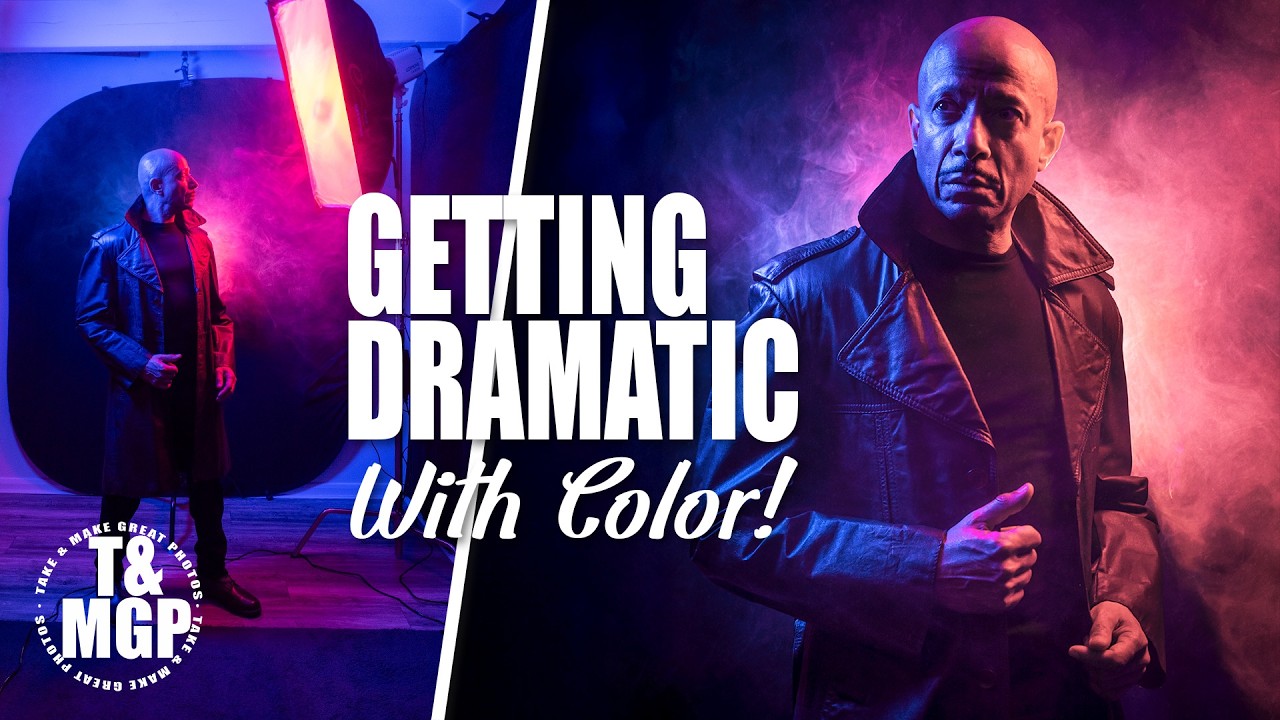
By abandoning the safety of front-facing, "perfect" illumination, a creator can leverage the tension between what is seen and what is hidden.
This architectural approach to light utilizes steep angles and deliberate lighting ratios to transform a static image into a scene with a pulse.
When the key light is shifted to the side or positioned slightly behind the subject, it creates a "rim" effect that separates the model from the background, instantly adding a three-dimensional quality to the composition.
The introduction of RGB LED technology allows for a surgical application of mood that transcends traditional white light. Each hue carries a specific psychological weight; for instance, red can evoke a sense of urgency or danger, while blue introduces a cold, ethereal mystery.
Chromatics and Emotional Weight
The introduction of RGB LED technology allows for a surgical application of mood that transcends traditional white light. Each hue carries a specific psychological weight; for instance, red can evoke a sense of urgency or danger, while blue introduces a cold, ethereal mystery.
By using complementary colors—placing opposites like red and blue on either side of the subject—the photographer creates visual friction that defines the cinematic aesthetic.
A technical challenge arises when moving from white to colored light: exposure consistency. Saturated colors often require a higher power setting to register the same aperture value on a camera sensor.
It is essential to ignore the internal light meter, which is calibrated for full-spectrum light, and instead rely on visual feedback to ensure the fill light doesn't wash out the rich saturation of the primary source.
Atmospheric Depth and Textural Contrast
To finalize the narrative, the environment must support the lighting. Utilizing a black background prevents light spill from diluting the colors, while a touch of smoke or haze provides a medium for the light to "grip."
When an unmodified light hits these particles from behind, it creates a glow that provides physical depth and bokeh in the negative space, grounding the subject in a tangible, atmospheric world.
• Feathering for Control: Tilt your light source away from the backdrop to control exactly how much light hits the background vs. the subject.
• The Rule of Opposites: Use a warm key light and a cool fill (or vice versa) to create maximum color contrast and visual interest.
• Cinematic Posing: Have the subject look away from the lens to shift the focus from a "portrait" to a "storytelling" moment.
Video and images via Adorama
Pro Tips for Dramatic Lighting:
• Adjust for Saturation: Remember that colored light is effectively "dimmer" to your sensor; increase power by at least one stop when switching from white.• Feathering for Control: Tilt your light source away from the backdrop to control exactly how much light hits the background vs. the subject.
• The Rule of Opposites: Use a warm key light and a cool fill (or vice versa) to create maximum color contrast and visual interest.
• Cinematic Posing: Have the subject look away from the lens to shift the focus from a "portrait" to a "storytelling" moment.





0 comments:
Post a Comment