


10 Cinematic Lighting DOs and DON'Ts!
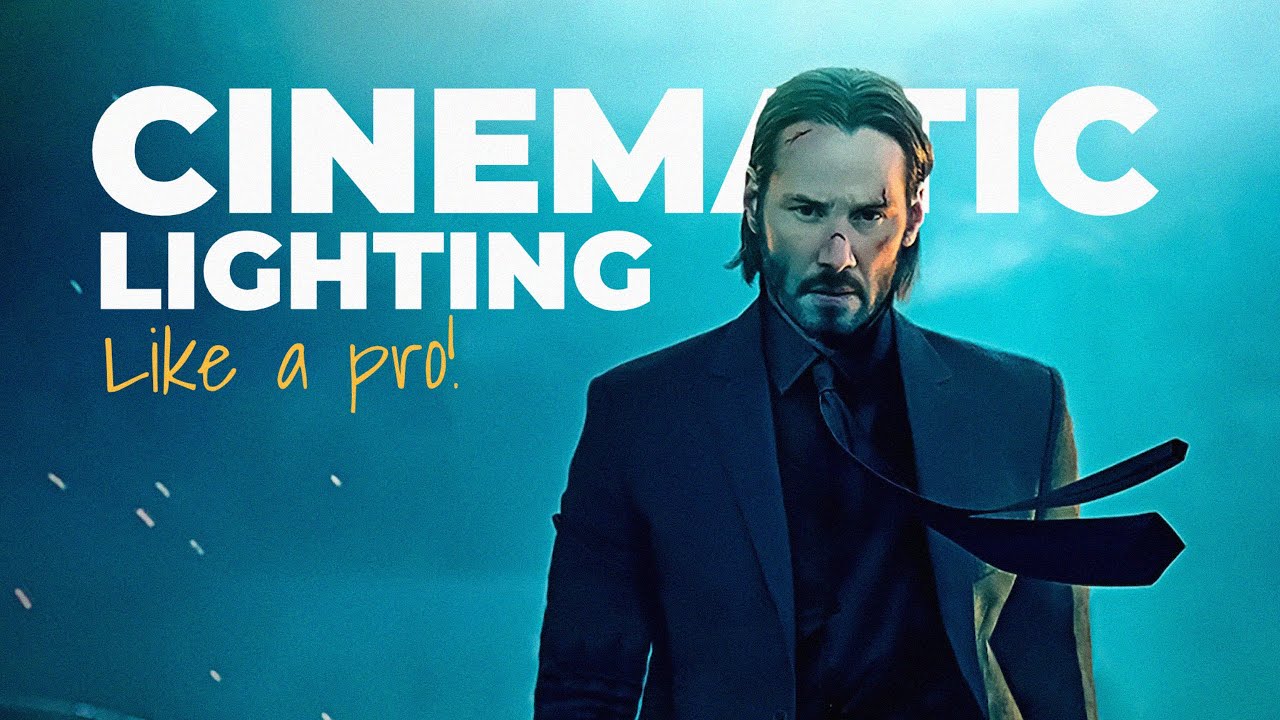
Creating images that feel like they belong on a cinema screen is a pursuit that many photographers and videographers share. While high-end gear helps, the true magic lies in how light is manipulated to tell a story.
Joris Hermans explores the essential principles of cinematic lighting, focusing on how to transform a flat, uninspired scene into something with depth, mood, and professional polish.
The foundation of cinematic visuals is motivated lighting. This means every light source in the frame should feel believable. If a character is standing near a lamp, the light hitting them should match the color and direction of that lamp.
By identifying existing "practicals" on location—like windows or streetlights—and accentuating them with external lights, a sense of realism is achieved that keeps the viewer immersed.
Equally important is the art of shaping light. It is a common mistake to think lighting is only about adding brightness; in reality, it is often about managing shadows. Tools like flags, grids, and barn doors are used to keep light from spilling onto areas where it isn't wanted.
Using negative fill—placing black material on the side of a subject opposite the light—is a powerful way to absorb bounce and create deep, rich shadows that add three-dimensional texture.
To make a subject pop, separation is key. This is achieved through three main techniques: using a rim light to outline the subject, creating a brightness difference between the subject and the background, or utilizing color contrast.
A classic cinematic trick is to use a warm key light on the subject while keeping the background cool and blue. This psychological separation guides the viewer's eye exactly where it needs to be.
Finally, avoid the trap of overlighting. High-end productions often favor minimal, intentional setups over a "more is better" approach.
Lighting directly from the front should be avoided as it flattens features and removes the character-rich shadows found in side-lighting. Every choice, from the color temperature to the intensity of the shadows, must serve the emotion of the story.
Whether it's a moody noir or a bright, happy scene, intentionality is what separates a snapshot from a cinematic masterpiece.
Cinematic Lighting Resume
- Motivated Lighting: Ensure light sources look like they come from real objects in the scene.
- Shadow Shaping: Use grids and negative fill to prevent light spill and create depth.
- Subject Separation: Utilize rim lights and color contrast (warm vs. cool) to make subjects stand out.
- Avoid Front Lighting: Position lights at an angle to reveal texture and form.
- Minimalism: Don't overcomplicate; few intentional lights often look better than many unguided ones.





0 comments:
Post a Comment