


The Architecture of Athletic Light: 2 Studio Lighting Setups That Make Athletic Wear Pop by Samuel Bouret
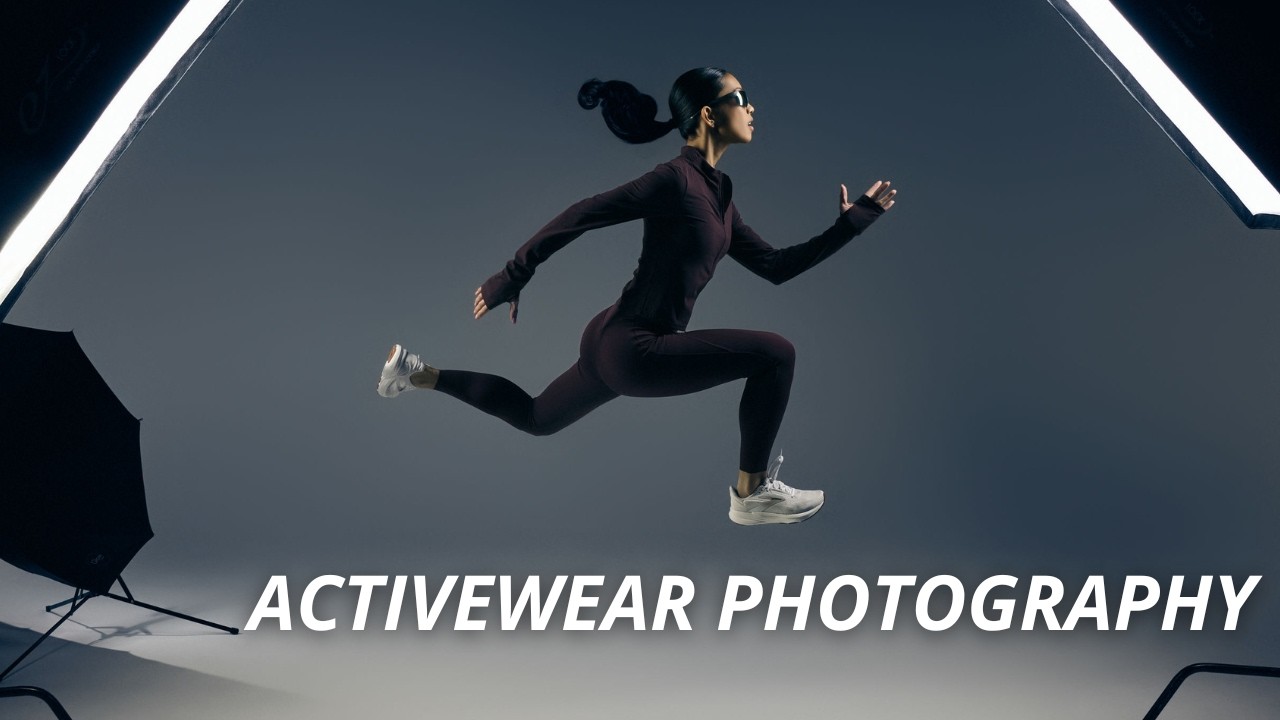
The visual impact of athletic photography relies heavily on the tension between form and environment. While the subject's movement provides the energy, the lighting architecture dictates the emotional resonance of the final frame.
By shifting between high-key and low-key configurations, a photographer can transform the same physical space into either a vibrant, commercial-grade studio or a dramatic, shadow-drenched arena.
In a high-key athletic setup, the objective is to create an atmosphere of vitality and cleanliness. Utilizing a bright, often complementary color palette allows the subject to pop with modern energy.
Achieving this requires a sophisticated wash of light across the background to ensure edge-to-edge consistency.

The key light, often modified with a reflector for punchy highlights, defines the athlete's muscle definition, while a large softbox serves as a surgical fill light to preserve detail in the shadows without sacrificing the overall brightness of the scene.
Conversely, low-key lighting strips away environmental distractions to focus on the raw intensity of the athlete. This approach favors directional light and deliberate shadows over broad illumination.
Sculpting Form with Low-Key Shadows
Conversely, low-key lighting strips away environmental distractions to focus on the raw intensity of the athlete. This approach favors directional light and deliberate shadows over broad illumination.
By employing strip softboxes on either side of the subject, the photographer creates a rim effect that carves the silhouette out of the darkness.

In this scenario, the background is treated with a subtle gradient rather than a full wash. This provides just enough separation to give the frame three-dimensional depth. Depth of field and facial contouring depend on this strategic presence of shadows to maintain the "moody" aesthetic.
The transition from high-energy to moody aesthetic demonstrates that in the studio, light is not merely a tool for exposure, but the primary driver of narrative intent.
Capturing fast action, such as a ballerina's movement, requires not just the right lighting ratio, but also strobe features like freeze mode to maintain razor-sharp clarity.
• Control the Background: Use dual strobes with umbrellas for a flat, high-key wash, or a single light for a low-key gradient.
• Freeze the Action: Ensure your strobes are set to a fast flash duration or "freeze mode" to capture movement without blur.
• Shape the Body: Use strip boxes from the sides to highlight muscle definition and create separation from the background.
Video and images via Adorama
Pro Tips for Athletic Studio Sessions:
• Use Complementary Colors: Use a background color that complements the subject's gear to enhance visual pop.• Control the Background: Use dual strobes with umbrellas for a flat, high-key wash, or a single light for a low-key gradient.
• Freeze the Action: Ensure your strobes are set to a fast flash duration or "freeze mode" to capture movement without blur.
• Shape the Body: Use strip boxes from the sides to highlight muscle definition and create separation from the background.




0 comments:
Post a Comment